Mega Mawile ex

Current · 7 deck lists · 3 events
View full deck listThis tournament window has one Mega Mawile ex deck build: Mega Mawile ex. View its full 20-card list.
View full deck listAcross 7 tournament Mawile deck lists, how many included each Trainer?
 Pokémon Center LadyA2b-070
 CopycatB1-225
 Lucky Ice PopB2-145
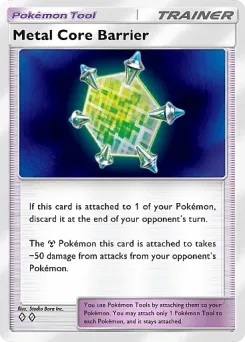 Metal Core BarrierB2-148
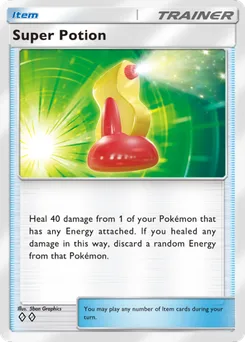 Super PotionC1-120
 Poké Mart GuyC1-129
 PotionP-A-001
 Professor's ResearchP-A-007
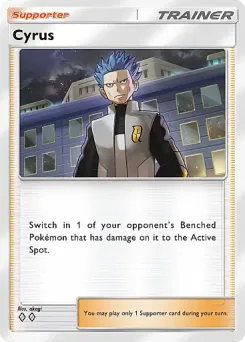 CyrusA2-150
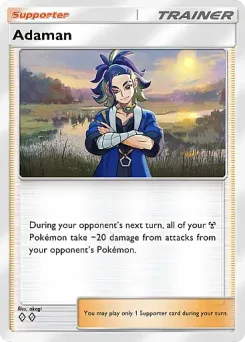 AdamanA2a-075
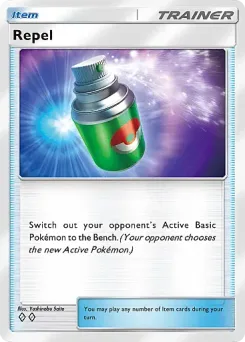 RepelA3a-064
 Sweet HoneyC1-119
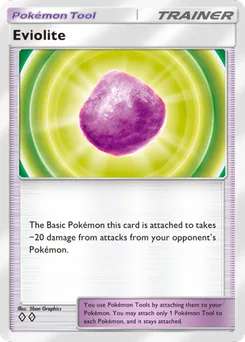 EvioliteC1-123
 Big MalasadaA3-142
 Hiking TrailB2b-069
 Field BlowerB3-147
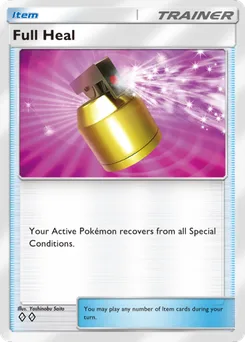 Full HealC1-122Mega Mawile ex
The 20-card representative lists use Mega Mawile ex ×1. If you own only one Mega Mawile ex, start with Mega Mawile ex: its representative list already runs one copy.
View full deck list: Mega Mawile exOpen Mega Mawile ex. Its deck page shows a 20-card representative list built from 7 tournament lists, with a button to copy the list. Each count reflects the average copies across those lists, so the result may not match any single player's list exactly.
View full deck list: Mega Mawile exIn the representative list for Mega Mawile ex, 9 of the 14 distinct cards appeared in all 7 tournament lists. Supporting cards seen less often include Sweet Honey (6/7), Cyrus (6/7), and Adaman (6/7). Check the full list before choosing a replacement.
View full deck list: Mega Mawile exPokémon Center Lady appeared in 7 of the 7 current tournament lists across all builds. That makes it worth checking when you compare your collection with a list. The count tells you how often the card appeared, not how many copies to run; use the full list for the exact count.
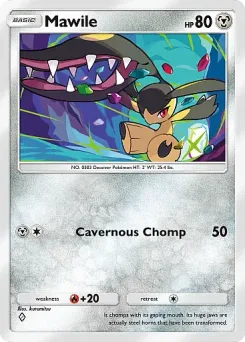
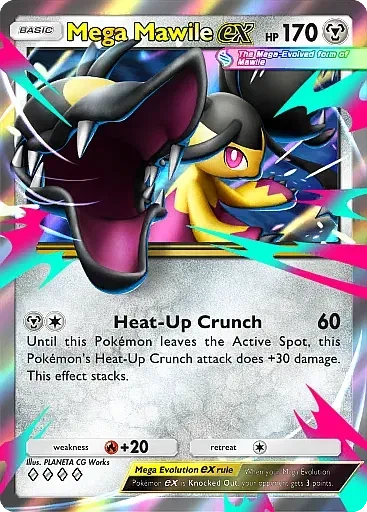
Which Trainer Cards Do Mawile Decks Use?Mega Mawile ex is a Basic Pokémon in Pocket. The Mawile deck does not evolve an ordinary Mawile into the Mega, and it does not need an evolution line or Rare Candy. Check B2-113 before copying the Mawile list: the smaller ordinary cards share a species name, but they do not provide this attack. The printed stage matters more than what Mega Evolution looks like in another Pokémon game.
The linked public example of a Mawile deck has one Pokémon and nineteen Trainers. That is a specific configuration, not a claim that every possible Mawile build must use one copy. Here, the only Pokémon is also the Pokémon you must keep alive. Adding another Basic changes both your opening Pokémon choices and the places where opposing switching effects can send you. Make that change deliberately rather than filling an apparently empty Bench by habit.
Before your first action, look at the opposing attacker and its next attack cost. A Mawile deck wants time to develop its attack, but 170 HP is not an unlimited setup window. A Mawile list with several healing cards still loses its attacker if a single attack takes all its remaining HP. Put the expected damage and your remaining HP beside each other before deciding which resource can wait.
A Knock Out of Mega Mawile ex gives the opponent three points. With the linked one-Pokémon Mawile list, that ends the game rather than leaving a backup attacker to promote. Before a Mawile deck attack, check whether the opponent can take that knockout next turn. A larger damage bonus is not useful if the attacker cannot survive long enough to use it.
Heat-Up Crunch costs one Metal and one Colorless Energy. Its printed damage is 60. After it is used, later uses by that Pokémon gain another 30 damage while it stays Active. With no other modifiers, an uninterrupted Mawile deck attack sequence is 60, then 90, then 120. The Mawile build therefore asks whether the attacker can survive between attacks, not just whether it can pay for its first hit.
Leaving the Active Spot ends that accumulated effect. Retreating and returning does not preserve the old damage bonus. In a Mawile deck, a switch can protect the Pokémon yet undo the damage plan. Compare both outcomes before retreating: what damage can the opposing Pokémon do now, and what can a fresh 60-damage attack accomplish later? A Mawile list cannot treat movement as a free reset of an inconvenient position.
For practice, give the opposing Active 140 remaining HP and assume no damage modifiers. The first 60 and second 90 attacks would total 150 if both hit that same target without healing. That does not mean the second attack itself deals 150. Write down each hit when testing a Mawile deck. Then repeat with a forced switch between attacks. The Mawile build must start its sequence again after leaving Active.
Colorless is part of an attack cost, not an instruction to generate a second Energy type. A Mawile deck needs a Metal Energy and one more Energy for Heat-Up Crunch. Inspect the copied list's Energy settings instead of inferring them from the opponent or a card's illustration. The Mawile list shown here supplies a starting point; it does not establish that every tracked player submitted the same Energy Zone configuration.
Super Potion heals 40 damage from a Pokémon that has Energy attached. When it heals damage, it discards a random attached Energy. If your Mawile deck attacker has exactly two Energy, using it can leave the next attack unpaid. Your normal attachment may repair that deficit, but only if it is still available and gives the needed Energy. Plan the order of healing and attachment in the Mawile build before spending either resource.
Test two hands with the same board: one has a normal attachment available, while the other has already used it. In the first Mawile deck hand, replacing the discarded Energy may keep the attack on schedule. In the second Mawile list hand, healing could mean giving up an attack. Neither line is always wrong. Compare the damage you would otherwise take with the turn you need to maintain Heat-Up Crunch's progression.
Metal Core Barrier reduces attack damage to its attached Metal Pokémon by 50, then is discarded at the end of your opponent's turn. It is a short window of protection. In a Mawile deck, playing it before a threatening attack can create a useful survival turn; playing it before a turn with no meaningful damage can spend that protection without helping. Check the opposing Energy and available attacker before choosing the Mawile build's Tool.
Eviolite instead reduces attack damage to its attached Basic Pokémon by 20 and does not have the Barrier's printed end-of-turn discard. Mega Mawile ex is Basic, so it meets that condition. A Mawile deck still cannot put both Tools on the same Pokémon at once. The Mawile list's two options are different plans for the Tool slot, not two reductions you can assume will stack on the same attacker.
For a clean example, compare an opposing 180-damage attack against an undamaged 170-HP Mega, before Weakness and other effects. Barrier would reduce that hit to 130; Eviolite would reduce it to 160. Both leave different amounts of HP to repair. Change the incoming attack and repeat the calculation with the Mawile deck. Do not call either Tool a permanent shield or turn that practice position into a promised matchup for the Mawile build.
Pokémon Center Lady heals 30 damage and removes Special Conditions from the chosen Pokémon. Because it is a Supporter, using it also spends your Supporter action for that turn. In a Mawile deck, the condition removal can matter even when there is little damage to heal. Compare that benefit with the draw or prevention Supporter you would otherwise play. The Mawile list does not let you use every Supporter in hand during one turn.
Lucky Ice Pop heals 20 damage from your Active Pokémon. After it heals, a heads can return that Item to your hand. Sweet Honey chooses one of your Pokémon, then heals 20 for each consecutive heads before the first tails. A Mawile deck must allow for the first Honey flip being tails. When practicing the Mawile build, count only guaranteed healing before deciding whether you survive; treat a favorable sequence as an additional outcome.
Healing cannot raise the Pokémon above its maximum HP, and a healing card in hand cannot save a Pokémon already Knocked Out. In a Mawile deck, use the opponent's next credible attack as the threshold to calculate. Spending several Items to reach full HP may be unnecessary against a small hit, yet still insufficient against a large one. Record which healing resource the Mawile list needs next turn before using the rest now.
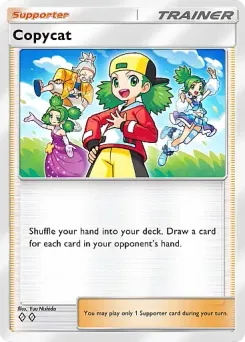
Professor's Research draws two cards. Copycat first shuffles your hand into your deck, then draws as many cards as your opponent holds. A Mawile deck with a good healing hand does not necessarily want to shuffle it away. Count both hands before choosing Copycat. A larger new hand can be useful, but the Mawile list does not guarantee that those new cards contain the exact Item you were planning to play.
Adaman reduces attack damage to your Metal Pokémon by 20 during the opponent's next turn. It prevents damage rather than restoring lost HP. A Mawile deck can use that window when it changes survival, but Adaman competes with Pokémon Center Lady and the draw Supporters. In the Mawile build, decide whether this turn's problem is current damage, a Special Condition, a dangerous next attack, or access to cards before choosing a Supporter.
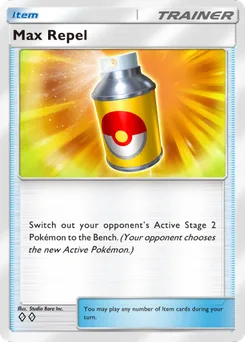
Poké Mart Guy searches for two random cards from the named group of Super Potion, Max Repel and Full Heal in your deck. It does not retrieve arbitrary healing Items or guarantee two Super Potions. Check which eligible cards remain when testing a Mawile deck hand. If the Mawile list has only one kind left, the outcome differs from a hand whose deck still contains several eligible names; read the card rather than assuming a universal search effect.
Cyrus brings a damaged opposing Benched Pokémon into the Active Spot. It needs an eligible damaged target and uses your Supporter action. A Mawile deck does not get to choose any undamaged Benched Pokémon with Cyrus. Look for the target before committing to the turn. Then compare its remaining HP with this attack's actual damage. The Mawile build's accumulated bonus is useful only if the chosen attack can accomplish the intended knockout.
Repel switches out an opposing Active Basic Pokémon, with the opponent choosing its replacement. It is not a general switch effect against every evolution, and you do not select the new Active. When a Mawile deck has Repel available, first check the opposing Pokémon's stage and Bench. The Mawile list may change which target stays Active, but it cannot promise that the opponent sends forward the particular Pokémon you hoped to attack.
Also inspect your own Bench when planning to stay Active. An opposing switch effect can matter differently when you have another Pokémon available. Adding a second Pokémon to a Mawile deck therefore changes more than opening consistency. Practice the Mawile build once with an empty Bench and once after a deliberate addition, using the actual switching card's conditions. Do not assume every effect can move every target or that retreat is always the correct response.
When the current window has only one recorded Mega Mawile ex archetype, the Mawile deck page provides its list and play decisions rather than a ranking between invented alternatives. The Mawile deck's tournament record belongs to its observed sample. It is not a ranked-ladder prediction or proof that this is the best choice against your next opponent. Open the complete Mawile list to check all twenty cards and use its copy action before changing slots.
The site's representative Mawile deck is allocated from average card counts across the tracked lists. The linked public tournament submission provides a real twenty-card example checked for this guide. Later snapshots can change the site's Mawile deck baseline; compare the new card counts with the source again before copying. That source match does not make every tracked player an author of the same exact list. The Mawile build's card adoption counts describe how many lists included a card; they are not the number of copies in your hand or a promise of future adoption.
Alternate artwork of the same rules can fill the same role, while ordinary Mawile is a different card. Check the card links when assembling the Mawile list from your collection. Keep the tournament window with a shared Mawile deck, and revisit the page when its status changes. If no current sample remains, a historical entry describes the past; it does not become a current recommendation merely because its complete list can still be opened.
Mega Mawile exSuggestions, bugs, or a quick note all help. If this site's been useful, a coffee keeps it going.