
Mega Gardevoir ex deck · Mega Diancie ex

Current · 45 deck lists · 15 events
View full deck listMost played: 45 of 50 tournament lists use this build.
View full deck list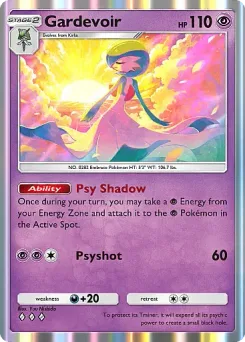
 Mega Diancie exB3b-032Mega Diancie ex100%45 of 45 lists include this cardGardevoir (A1)100%5 of 5 lists include this cardGardevoirA1-132Mega Diancie ex2.2%1 of 45 lists include this cardGardevoir (A1)100%5 of 5 lists include this card
Across 50 tournament Gardevoir deck lists, how many included each Trainer?
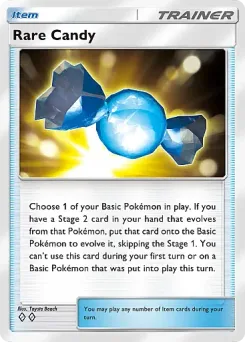 Rare CandyA3-144
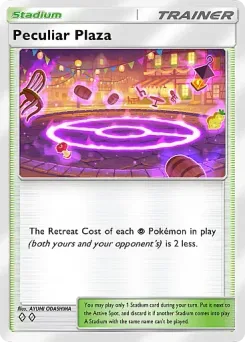 Peculiar PlazaB2-155
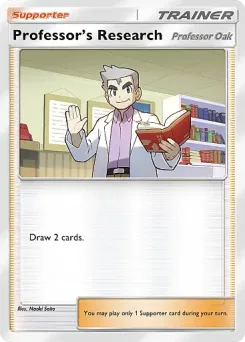 Professor's ResearchP-A-007
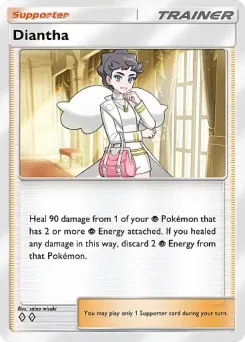 DianthaB2-149
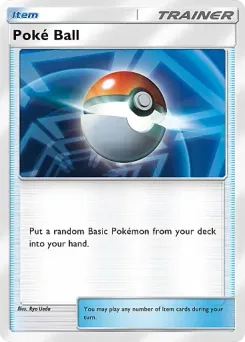 Poké BallP-A-005
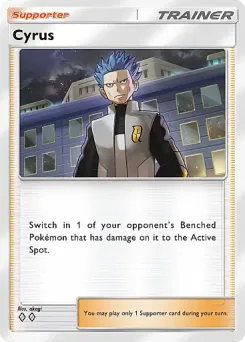 CyrusA2-150
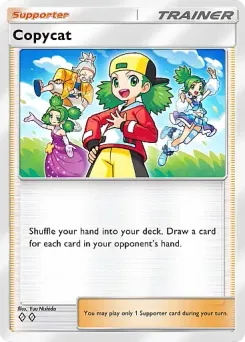 CopycatB1-225
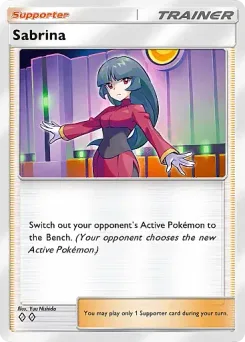 SabrinaA1-225
 Lucky Ice PopB2-145
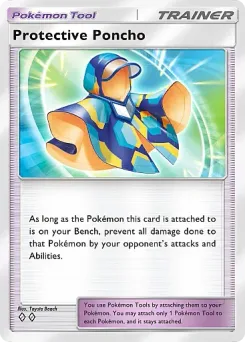 Protective PonchoB2-147
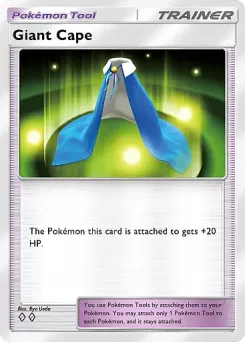 Giant CapeA2-147
 PotionP-A-001
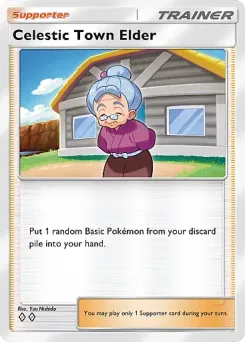 Celestic Town ElderA2a-073
 Pokémon Center LadyA2b-070
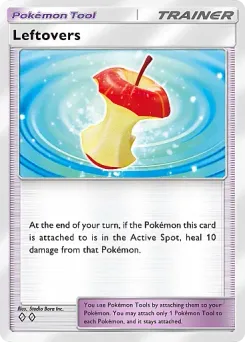 LeftoversA3b-067
 SerenaB1a-069
 MesagozaB2a-093
 CalemB2b-068
 Field BlowerB3-147
 Order PadB4-145
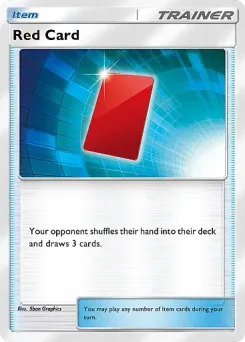 Red CardP-A-006
Compare win rates alongside game counts; a smaller sample can move more sharply.
Mega Gardevoir ex deck · Mega Diancie exMega Gardevoir ex deck · Gardevoir (A1)Check these core cards, then open a representative list to check your collection.
Mega Gardevoir ex deck · Mega Diancie exMega Gardevoir ex deck · Gardevoir (A1)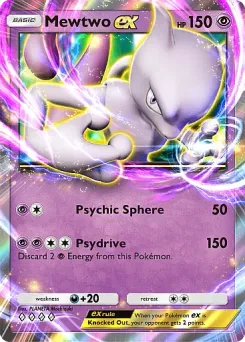 Mega Gardevoir ex Mewtwo ex
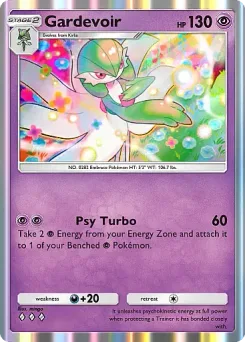 Mega Gardevoir ex Gardevoir
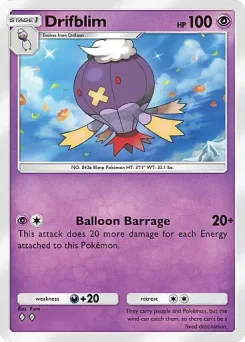 Mega Gardevoir ex DrifblimMega Gardevoir ex Meloetta
Start with Mega Gardevoir ex deck · Mega Diancie ex if you want the largest tournament sample: 45 of the 50 lists in this window used that build. Its record covers 216 games. Open the full list before crafting cards; the most-played build is a useful reference, but popularity alone doesn’t tell you which one will win more often.
Current Mega Gardevoir ex Deck ListsBoth builds use the same Mega Gardevoir ex card. If you already own Mega Diancie ex, start with that list: it appeared 45 times this window. The Gardevoir list appeared 5 times. Those counts measure tournament use; compare the full lists to see which supporting cards you’d actually need to change.
Mega Diancie ex or Gardevoir (A1)?Rare Candy appeared in 50 of the 50 current tournament lists across all builds. That makes it worth checking when you compare your collection with a list. The count tells you how often the card appeared, not how many copies to run; use the full list for the exact count.
Which Trainer Cards Do Gardevoir Decks Use?For example, Mega Gardevoir ex Mewtwo ex was last seen on 2026-10-12. Its list remains available so you can revisit the build, but its old results aren’t included in current card-use percentages. Check the tournament window at the top before treating a past result as evidence about today’s decks.
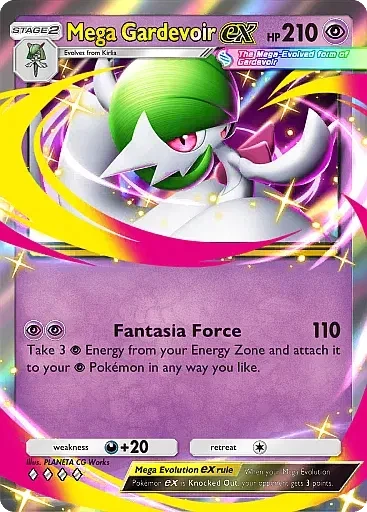
Archived Gardevoir Deck ListsStart a Gardevoir deck by separating three cards with related names and different jobs. Mega Gardevoir ex B2-066 is a Stage 2 attacker: its attack costs two Psychic Energy, deals 110 damage and then attaches three Psychic Energy from the Energy Zone among your Psychic Pokémon. Gardevoir A1-132 instead uses an Ability to attach one Psychic Energy to your Active Psychic Pokémon once during your turn. Gardevoir B2-065 attacks for 60 and attaches two Psychic Energy to one Benched Psychic Pokémon. These effects differ in timing, target and whether they consume the attack for that turn. A Gardevoir list cannot exchange them without changing its plan.
Read the current Gardevoir builds above by their printed partners, then open the complete list. The Mega Diancie route converts Energy across the board into a finishing attack; the A1 Gardevoir route also commits an evolution slot to repeatable acceleration before attacking. A Gardevoir deck carrying both partners still has to choose which Pokémon receives the first resources. The label identifies the defining cards, not every supporting Pokémon. Use the Gardevoir variant comparison to distinguish the plan, and the full list to check quantities. More submitted lists describe popularity in this window; they do not establish which Gardevoir deck will win your next match.
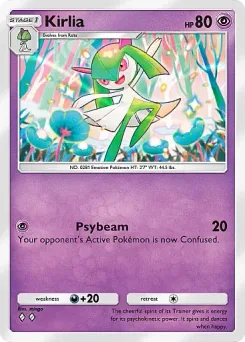
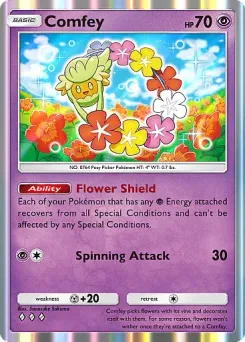
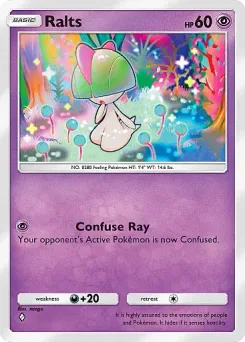
Gardevoir deck · Mega Gardevoir ex Mega Diancie exA Gardevoir deck needs a Basic Pokémon in play before its Stage 2 cards become useful. Check the Ralts and Kirlia print numbers in the selected list rather than treating all names as identical. Ralts B2-063 has 60 HP and a one-Psychic attack that Confuses the opponent's Active Pokémon. Kirlia B2-064 has 80 HP and deals 20 while applying Confusion. These can buy an opportunity, but a Special Condition does not guarantee that your evolution survives. Your Gardevoir build should have a route for the turn when the opponent retreats, switches or knocks out the Active Pokémon.
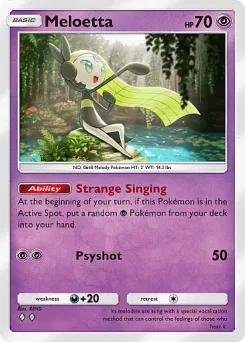
Meloetta B2-070 gives a Gardevoir deck another opening decision. Its Ability adds a random Psychic Pokémon from your deck to your hand at the beginning of your turn while Meloetta is Active. It does not search for whichever evolution you name, and moving it Active later in that turn does not recreate the beginning-of-turn trigger. In a Gardevoir list, count the remaining Psychic Pokémon before relying on that draw. Keep a second Ralts safe when possible, but do not fill every Bench place without a reason. Practise a Gardevoir opening with Meloetta starting Active and another with Ralts exposed; record the attachment, retreat and evolution available in each case.
Gardevoir deck · Mega Gardevoir ex Mega Diancie exRare Candy connects a Basic Pokémon already in play to a matching Stage 2 from your hand, skipping Stage 1. It cannot be used during your first turn or on a Basic put into play that turn. A Gardevoir deck therefore needs more than Ralts, Rare Candy and the Mega in the same opening hand: Ralts must remain in play until the timing is legal. A Gardevoir build that benches a replacement Ralts after a knockout cannot immediately use Rare Candy on that new Pokémon. Check that restriction before planning the attack that supplies your next three Energy.
The natural Ralts–Kirlia route matters when Rare Candy is missing or must be saved. In a Gardevoir list containing A1 Gardevoir, both Stage 2 choices compete for eligible evolution lines. Decide whether the board needs the Mega's attack now or an Ability that will support later turns. A Gardevoir deck does not gain an extra evolution just because its two final cards share a name. Before you spend a draw or search resource, identify the exact missing piece and the legal turn it can be played. Test the Gardevoir build with one Ralts removed from the opening, then with Rare Candy unavailable. A useful revision solves that specific failure rather than simply adding another expensive final evolution.
Gardevoir deck · Mega Gardevoir ex GardevoirMega Gardevoir ex attaches Energy as part of its attack effect. It must first be able to pay for the attack; the three Energy it will attach cannot fund that same attack in advance. In a Gardevoir deck, place the first two Psychic Energy deliberately and check whether retreating would spend one before the attack. After damage, assign the three new Energy according to the next turn's attacker. This Gardevoir build can distribute them among Psychic Pokémon, so putting all three on the Active Pokémon is a choice, not an instruction printed on the card.
Plan a Gardevoir deck one attack beyond the attractive current turn. If the Mega is likely to be knocked out, leaving every Energy on it can remove both your attacker and your follow-up resources. Mega Diancie ex can receive Energy on the Bench; another Psychic attacker may need a smaller attachment to become useful. A Gardevoir list with B2 Gardevoir uses a different attack effect that sends two Energy to one Benched target. Do not describe that as the same engine as the Mega's flexible distribution. Compare the Gardevoir variants using a written board: current Energy, attack cost, post-attack allocation and a replacement Active Pokémon. The Gardevoir deck that meets those four steps is the one to test before changing flex cards.
Gardevoir deck · Mega Gardevoir ex Mega Diancie exMega Diancie ex B3b-032 is a Basic Psychic Pokémon. Its attack costs three Colorless Energy and deals 40 damage plus 20 for each Psychic Energy attached across all your Pokémon. A Gardevoir deck therefore gains damage from Psychic Energy on the Bench as well as on the attacking Diancie. Three Psychic Energy across your board give a base calculation of 100; six give 160, before other effects or Weakness. The Gardevoir build still needs three Energy on Diancie itself to pay its attack cost. Board-wide damage scaling does not remove that separate requirement.
Before switching attackers in a Gardevoir deck, count Energy twice: first on Diancie to establish a legal attack, then across the whole board to calculate damage. Include any Energy discarded to retreat or heal before doing the second calculation. A Gardevoir list can lose a knockout by spending the very resources that powered it. The selected Gardevoir variant's full list shows whether a switching card or Stadium supports the transition. Do not assume an opponent will leave a damaged target Active; rehearse a second target with a different HP total. A Gardevoir deck built around this finish should preserve the smallest safe amount of Energy on the future attacker while keeping the rest where it survives the opponent's next turn.
Gardevoir deck · Mega Gardevoir ex Mega Diancie exA1 Gardevoir's Ability supplies one Psychic Energy to the Active Psychic Pokémon. This Gardevoir version can help the Mega reach its first attack or help an Active Diancie pay for its attack without using the turn's attack itself. It cannot send that Energy to an arbitrary Benched Pokémon. The B2 Gardevoir version instead supplies Energy through an attack. A Gardevoir deck that needs acceleration before attacking cannot replace the A1 card with the B2 card and retain the same sequence. Use the printed ID and rules, not the shared name or a similar illustration, when choosing your collection substitute.
The support Gardevoir build also pays a setup cost. You must evolve another line, occupy a Bench place and draw an additional final evolution. Ask which turn that investment becomes useful. If the first Mega already attacks safely, another Ralts line may be less urgent than a replacement attacker or the card that keeps the Active alive. Conversely, a Gardevoir list that repeatedly stalls at one Energy may value acceleration before attacking. Compare these Gardevoir variants from identical opening hands where possible, recording the first legal attack and whether a second attacker is ready after a knockout. A smaller submitted sample for one Gardevoir deck is a reason to be cautious about conclusions, not evidence that its individual card interactions fail.
Gardevoir deck · Mega Gardevoir ex GardevoirDiantha heals 90 damage from a Psychic Pokémon with at least two Psychic Energy attached; if it heals damage this way, two Psychic Energy are discarded from that Pokémon. In a Gardevoir deck this is both recovery and an Energy decision. Check whether healing prevents an actual knockout and whether the target can still attack afterward. Because Diancie's damage counts Psychic Energy across your board, the discarded Energy can lower a later attack even when you healed a different Pokémon. A Gardevoir build should compare the survival gained against the damage or attack timing lost.
Peculiar Plaza lowers the Retreat Cost of Psychic Pokémon on both sides by two. A Gardevoir list can use it to move between the Mega, Meloetta and Diancie without discarding Energy when their resulting cost is zero. The opponent also benefits if their Pokémon qualify, and a replacement Stadium can remove that route. For a Gardevoir deck, rehearse the same turn with Plaza present and absent. Check the actual printed Retreat Cost rather than assuming every Psychic Pokémon becomes free to retreat. The Gardevoir variant comparison is a starting point for selecting the list; the single trainer adoption column shows how many lists used a card, not how many copies you should play. Keep the Gardevoir deck's chosen quantities visible in the full list before substituting healing or mobility.
Gardevoir deck · Mega Gardevoir ex Mega Diancie exA knocked-out Mega Evolution Pokémon ex gives the opponent three points. A Gardevoir deck can therefore lose the game to one knockout of its Mega attacker even after several strong turns. Before exposing the Mega, compare the opponent's reachable damage with your HP after healing, modifiers and Weakness. An extra attachment to a future attacker is not useful if the opponent immediately ends the game. A Gardevoir build needs a plan for attack timing and for the turn when the Mega must stay out of danger. Do not call the most common Gardevoir deck the safest or strongest without matchup evidence.
Use the current Gardevoir lists and their complete card grids for testing, then change one decision at a time. Record an opening without Rare Candy, a missed first attack, a Diancie transition and an opponent who can threaten three points. Keep wins and losses beside the specific version you played. The Gardevoir deck matchup section only shows pairings with sufficient recorded games; missing rows are not favourable matchups. Historical Gardevoir builds remain below with their last-seen dates, and an archived example is not proof of current tournament use. Return to the Gardevoir variant comparison when the snapshot changes: its order and samples update from the Registry, while the evolution rules, Energy arithmetic and complete-list path remain the basis of your decision.
Gardevoir deck · Mega Gardevoir ex Mega Diancie exSupport the site
Suggestions, bugs, or a quick note all help. If this site's been useful, a coffee keeps it going.