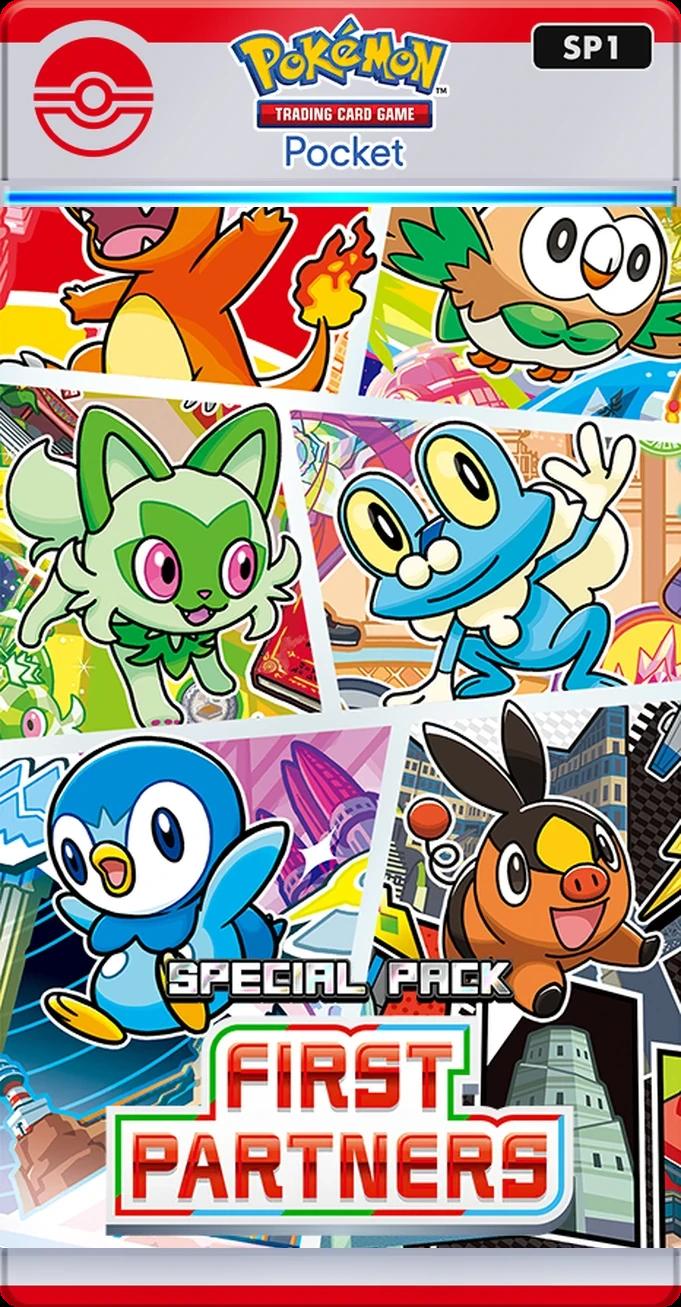
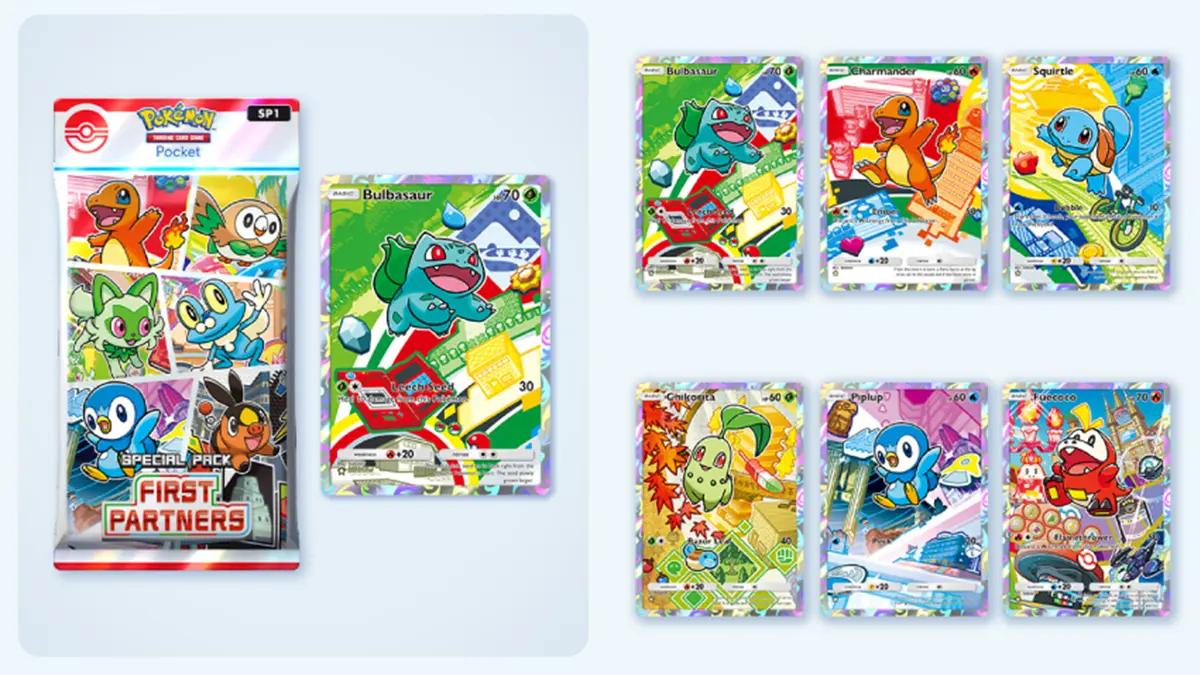
Special Pack: First Partners (SP1) is a separate weekly collection in Pokémon TCG Pocket. Use its own special pack stamina, choose a favourite region or Pokémon, and treat completion as a longer collection goal. You can keep developing an ordinary deck alongside it because the special pack has a separate resource.
Reviewed October 31, 2026. The official announcement schedules First Partners from October 31 to December 26, 2026. The local SP1 set checklist has 30 entries: 27 first partner Pokémon and three Mew variants. Those are collection entries, not 30 different battle strategies. Open the special pack page to inspect the pool before deciding what you want.
First Partners: what to do when you return
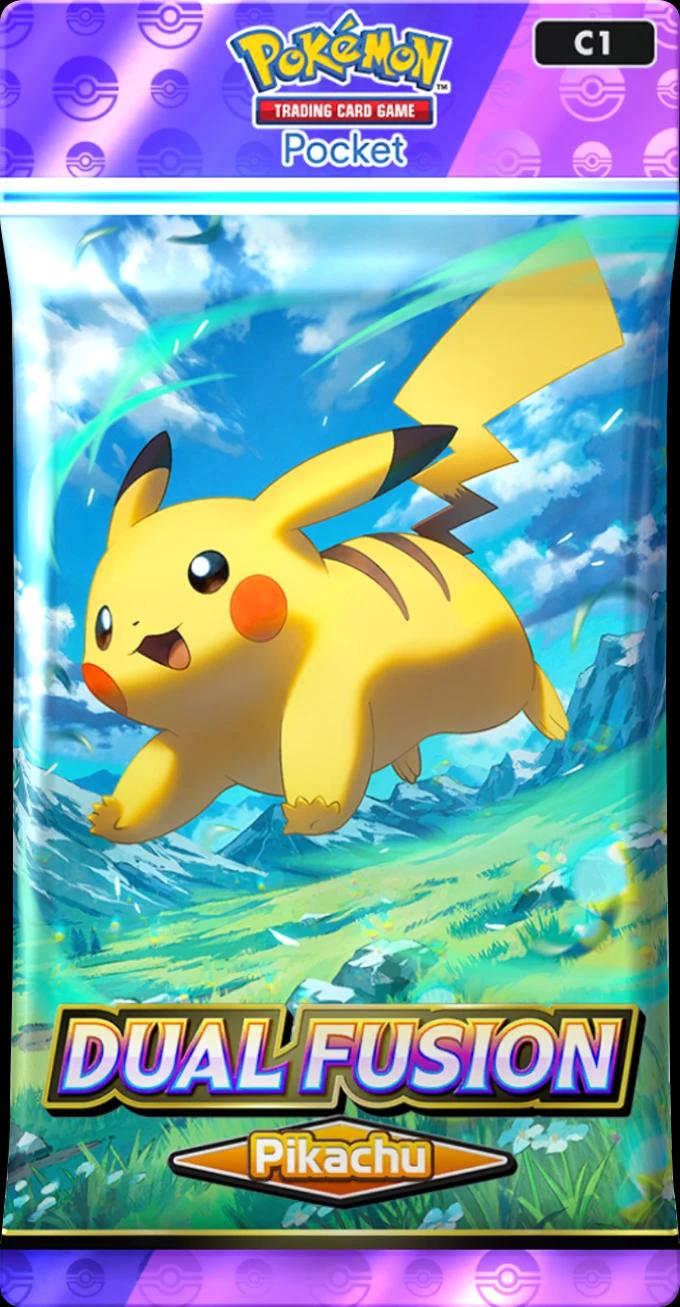
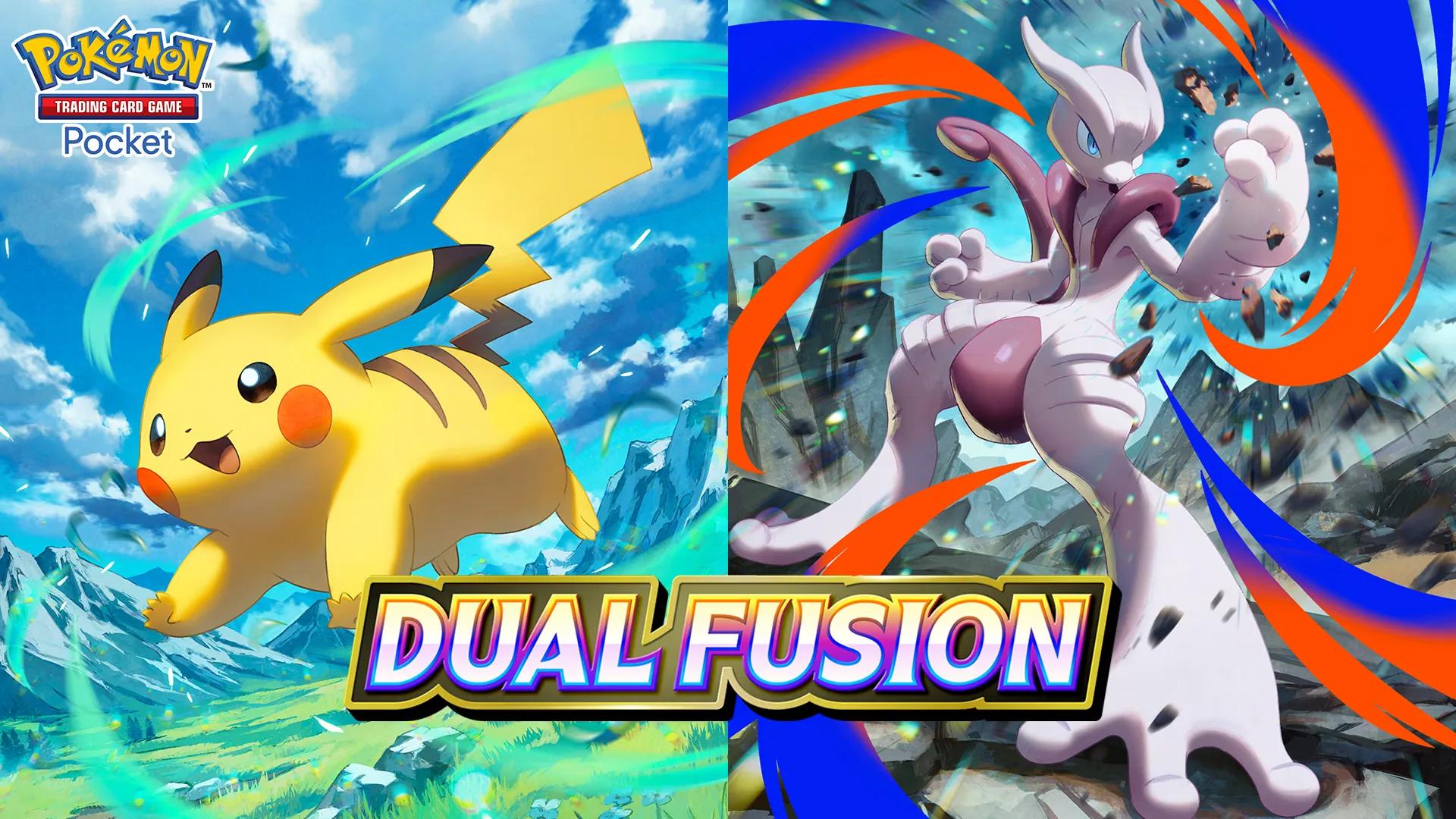
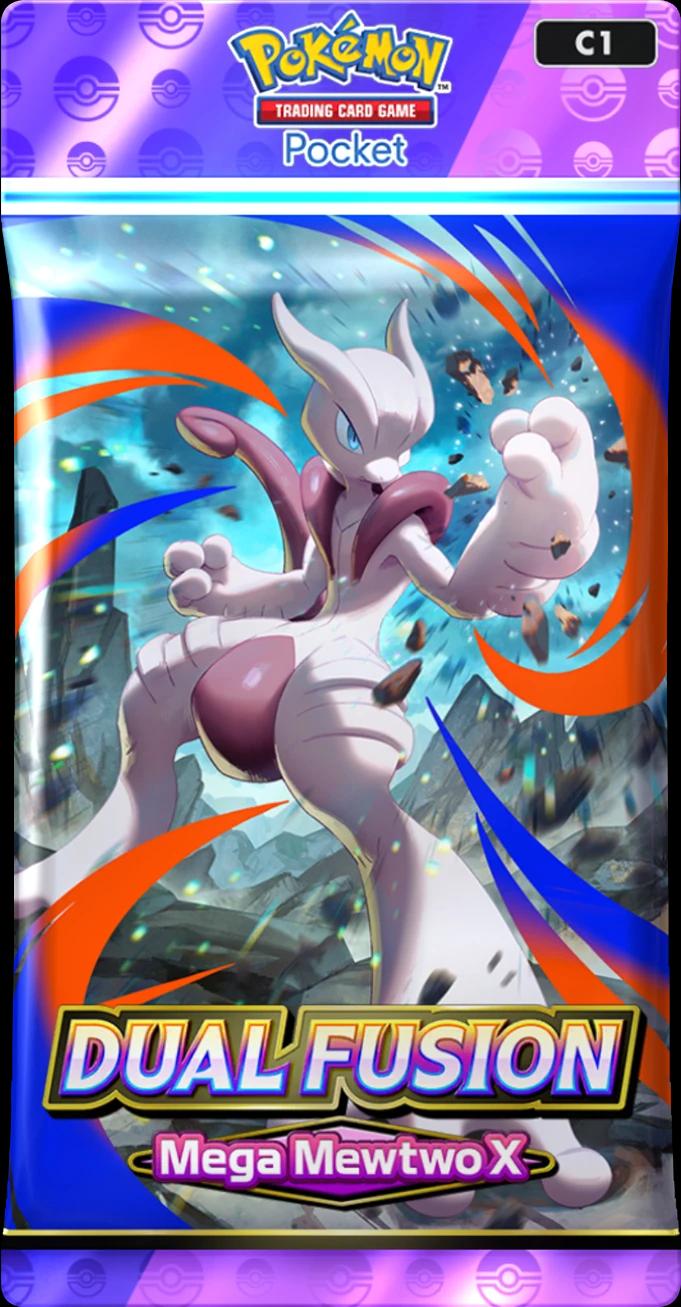
Start by checking the special pack's own availability and stamina indicator. First Partners is separate from the regular expansion: having an ordinary booster ready does not establish that this special pack is ready. If you have been away, the Dual Fusion guide explains the parallel C1 expansion and its two normal boosters. You do not need to finish C1 before taking an interest in this collection.
A useful first target is one favourite Pokémon or one regional trio. First Partners gives you a smaller, recognisable checklist, but a small pool still produces duplicates. Decide whether you care about the exact illustration, the species appearing in your collection, or a playable Basic for an evolution line. Those goals can send you toward different next steps. An alternative printing may help your deck while leaving the illustration entry missing.
The practical rule for First Partners is simple: use available special stamina, record what you received, and check the remaining options before spending any special item. A rare-looking illustration is a reason to enjoy a card; its border does not prove it is the strongest version for your deck. The same applies to Mew: wanting its artwork and needing its attack are separate decisions.
Opening First Partners: confirmed rules and open questions
The official announcement confirms weekly special pack stamina and describes a guaranteed ★ card. Independent launch coverage describes one card per opening. GO Hub's launch guide also reports special hourglasses and trading exceptions. Read these as launch reporting, and check the current game screen for exact eligibility, costs and availability. We have not verified your account's opening screen or timer.
Do not substitute ordinary pack hourglasses, Wonder Pick stamina, an anniversary ticket or an event hourglass merely because the icons or names look familiar. First Partners has its own resource. The Pikachu booster and Mega Mewtwo X booster belong to C1, while the special pack is a separate product. The anniversary's guaranteed two-star reward is also a separate offer from the special pack's advertised star guarantee.
Several guides were written before release and still say that details are unknown; others describe the pack as already available before the announced date. First Partners dates here follow the official schedule. The game itself controls the precise closing time in your region. We do not calculate a guaranteed number of free openings from the two calendar dates: initial stamina, caps, missed refills and extra rewards would all affect that number.
| Question | Safe action |
|---|---|
| Is my next opening ready? | Read the special stamina indicator and its timer. |
| Can I use an hourglass? | Confirm the exact special item and displayed cost before accepting. |
| Can unused stamina stack? | Check the current capacity explanation; do not assume unlimited storage. |
| Can I finish the set for free? | Keep a missing-card list; weekly availability does not guarantee distinct pulls. |
| Does this website reproduce game odds? | No. Its five-card entertainment simulation uses different rules. |
Nine regions in First Partners: find your starting trio
The following First Partners groups contain all 27 numbered partners. Each image opens the exact SP1 card, and each linked comparison retains its own set number. Dittobase's complete checklist corroborates the collection identities. Region labels organise the familiar main-series trios; they do not imply that you can select a region when opening a pack.
First Partners Kanto: familiar faces, different early turns
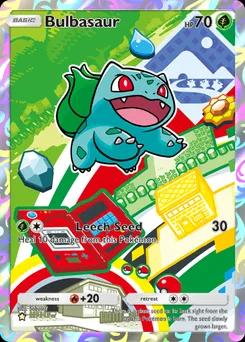
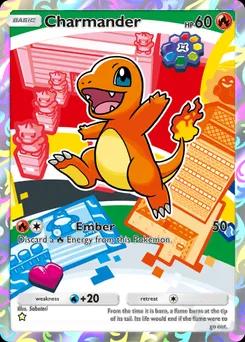
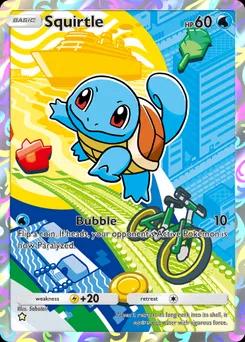
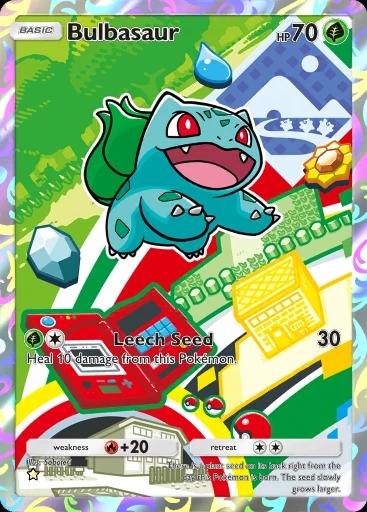
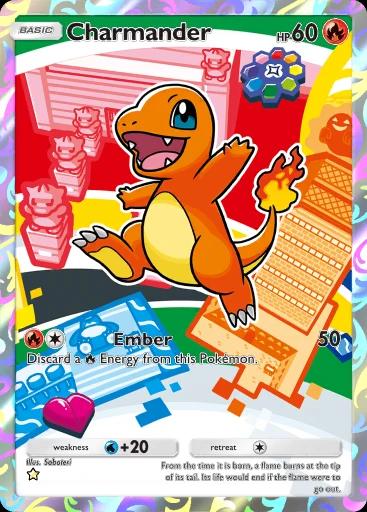
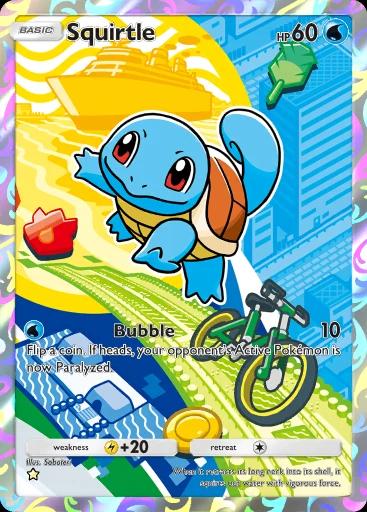
Bulbasaur SP1-001, Charmander SP1-002 and Squirtle SP1-003 are an accessible First Partners starting point for returning players. Their attacks illustrate different setup compromises: healing, discarding Energy and a coin-flip status effect. None is simply a replacement for its final evolution. Before building around the artwork, compare Bulbasaur C1-001, Charmander C1-016 and Squirtle C1-029. Read HP, attack cost and retreat cost together. A Basic that spends extra Energy attacking may leave less flexibility when it is time to evolve or retreat. A defensive coin flip can buy time, but a failed flip must remain part of your plan.
First Partners Johto: one regional page, three separate projects
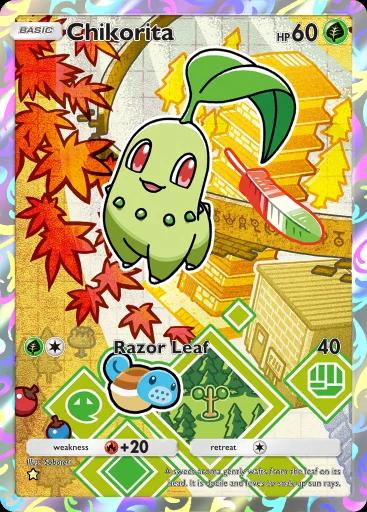
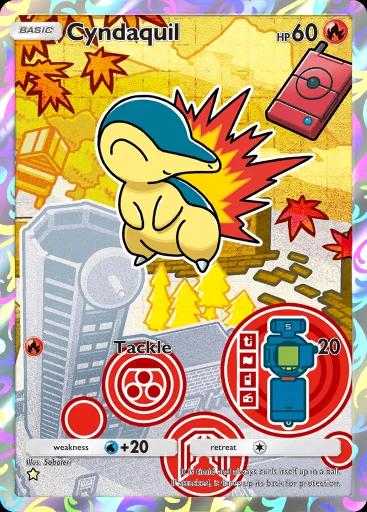
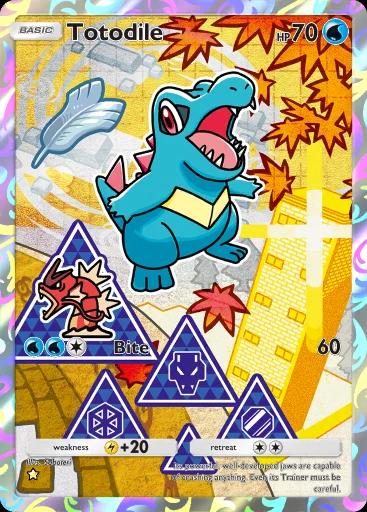
Chikorita SP1-004, Cyndaquil SP1-005 and Totodile SP1-006 make a natural First Partners collection trio. Their shared region does not make them a coherent mixed-type deck. Totodile's higher printed attack number must be weighed against its required setup, while Cyndaquil's modest attack does not tell you whether its eventual evolution is worth building. Compare the exact Basics you already own, including Cyndaquil C1-190, before replacing anything. If you only have one member of a line, keep collecting at your own pace. Owning an attractive Basic creates an option to investigate; it does not create the missing intermediate and final evolutions.
First Partners Hoenn: think beyond the damage number
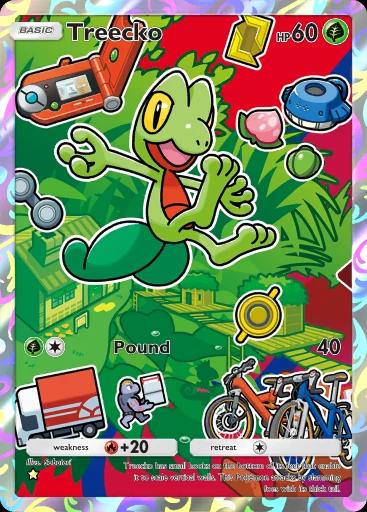
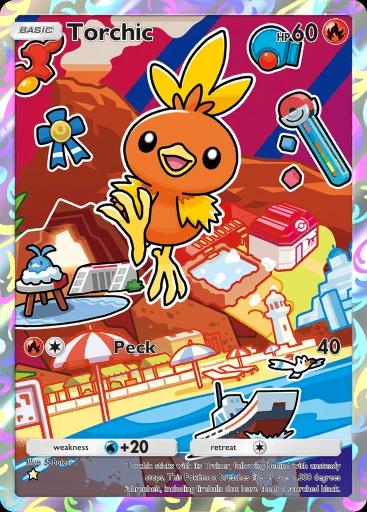
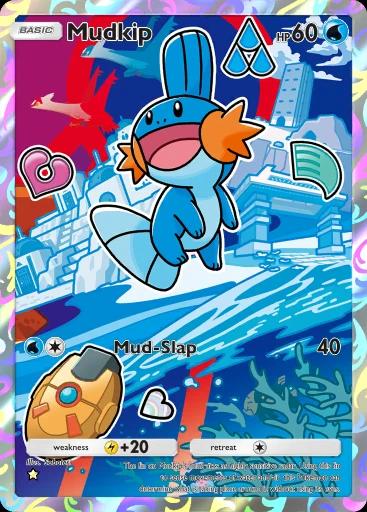
Treecko SP1-007, Torchic SP1-008 and Mudkip SP1-009 broaden First Partners into another recognisable trio. Their straightforward attacks make it especially important to compare costs rather than just the printed damage. A larger number is not automatically useful on a Pokémon you intend to evolve as quickly as possible. For a concrete evolution project, inspect Grovyle C1-189 and Mega Sceptile ex C1-207. Those pages identify separate cards, not contents of SP1. The special pack supplies Basics and Mew; it does not provide every evolution needed by these familiar families. A collection target can therefore be complete while the related deck remains unfinished.
First Partners Sinnoh: reliability matters before evolution
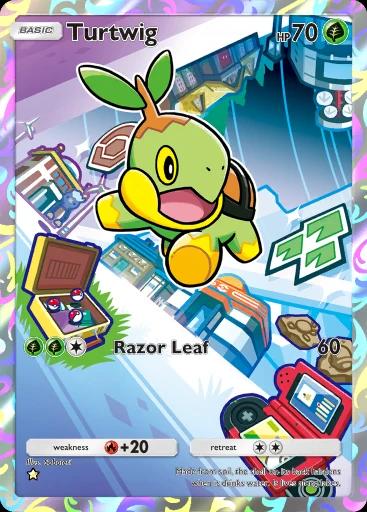
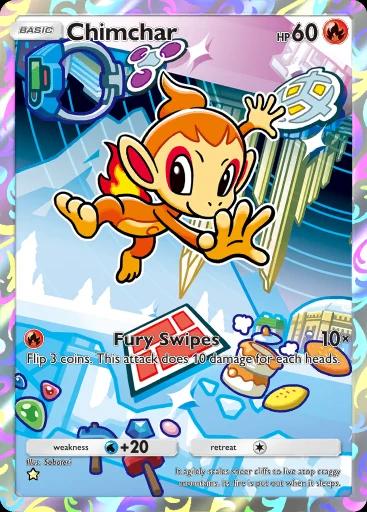
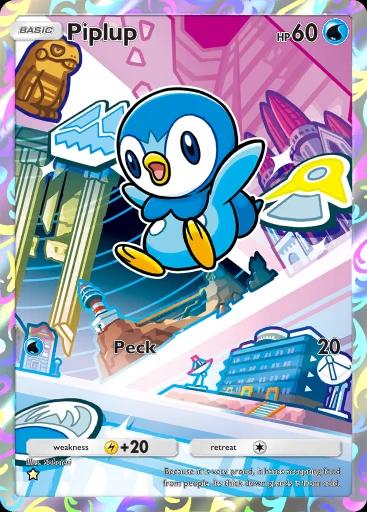
Turtwig SP1-010, Chimchar SP1-011 and Piplup SP1-012 give First Partners collectors a complete Sinnoh row. For battling, Chimchar's multiple coin flips and Piplup's simple attack pose different questions. A possible high roll is different from damage you can rely on every turn. Turtwig's attack and retreat demands also matter if it becomes stranded in the Active Spot. Look at the exact card text instead of ranking the three by nostalgia or maximum damage. You can collect all three illustrations without trying to combine their evolution lines. If your current deck already has an efficient Basic, keeping it while displaying the SP1 version in a binder is a reasonable outcome.
First Partners Unova: account for the turn after attacking
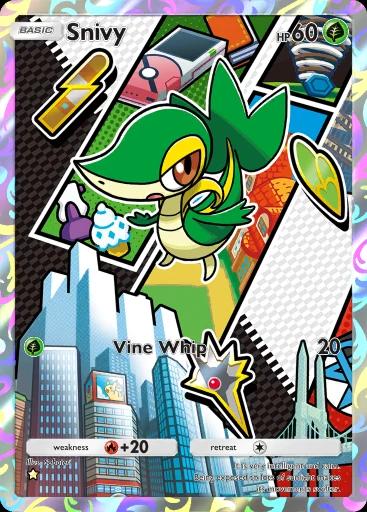
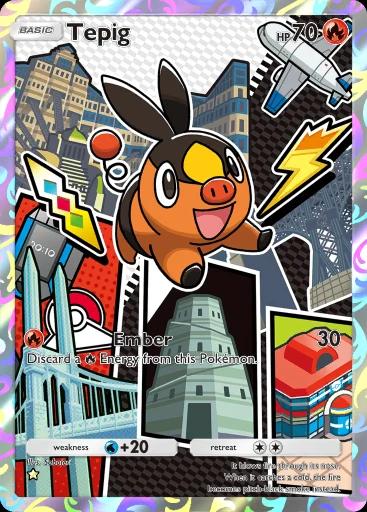
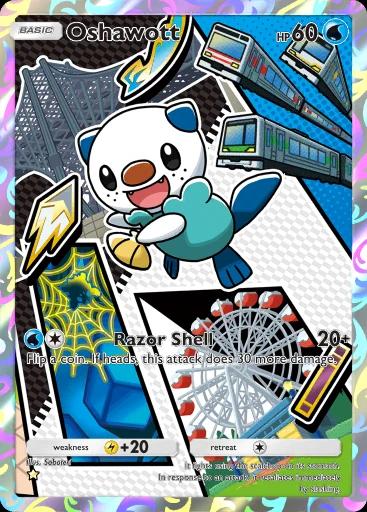
Snivy SP1-013, Tepig SP1-014 and Oshawott SP1-015 offer another useful First Partners comparison. Tepig's Energy discard asks what happens next turn; Oshawott's conditional bonus asks whether the base damage is enough when the flip fails. Snivy's simpler attack is easier to read, but simplicity alone does not establish superiority. Compare the complete evolution plan, not only the first attack. An opening Pokémon may need to survive, retreat or evolve rather than maximise immediate damage. These are practical deck-reading questions, not claims that any of these prints has established tournament results. Your collection page and your deck list can follow different priorities.
First Partners Kalos: the frog is only the beginning
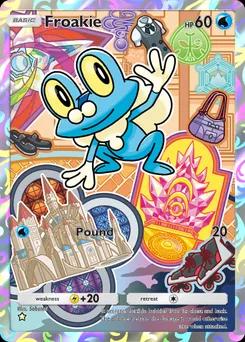
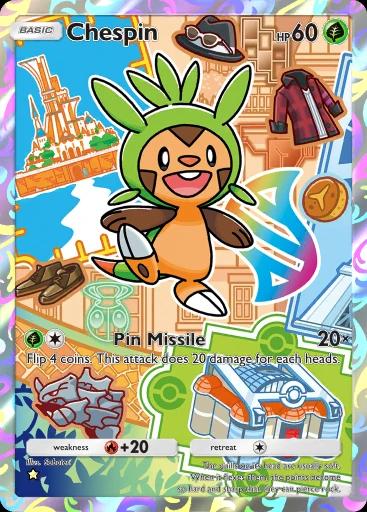
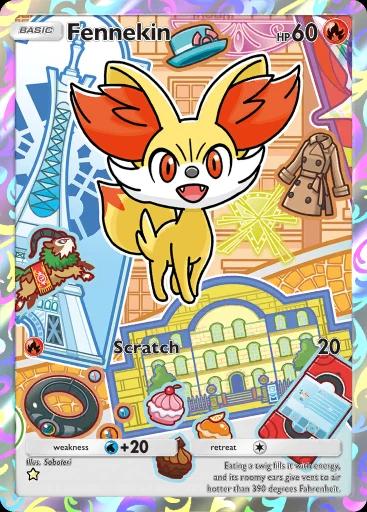
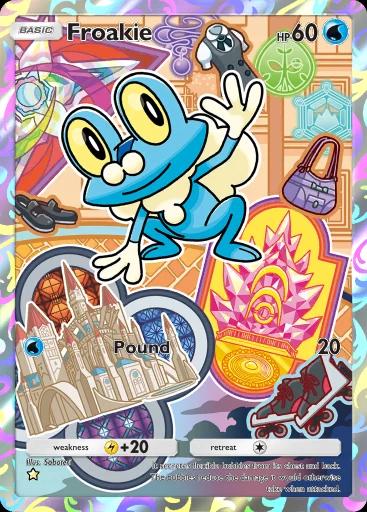
Chespin SP1-016, Fennekin SP1-017 and Froakie SP1-018 complete the Kalos part of First Partners. Froakie's familiar name can tempt returning players to jump straight to Greninja lists. First inspect Froakie C1-040, then Frogadier C1-041 and Mega Greninja ex C1-042. A matching species is the start of an evolution path, not proof that every print has the same setup value. Chespin also illustrates why maximum coin-flip damage should not be treated as expected output. Keep the printed Energy requirements in view, especially when the final Pokémon has two types. Its card colours do not replace its attack costs.
Alola: status effects need a follow-up
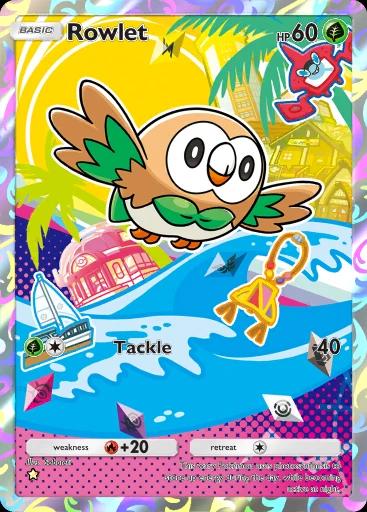
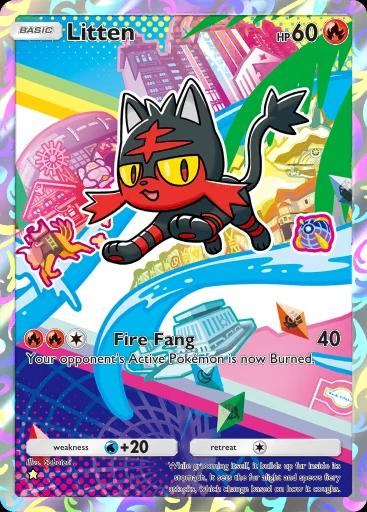
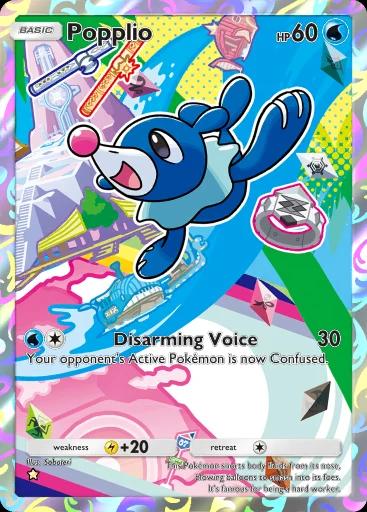
Rowlet SP1-019, Litten SP1-020 and Popplio SP1-021 make First Partners useful for explaining more than raw damage. Litten's Burn and Popplio's Confusion can affect an opponent's decisions, but neither replaces a complete attacking plan. Read when a condition applies, how it can end, and whether your Pokémon can survive the reply. Rowlet's direct attack provides a different comparison point. The region is a collecting theme rather than an instruction to use all three in one deck. A returning player can enjoy the three illustrations first, then choose one family to explore. That approach avoids chasing several unrelated evolution lines at once.
Galar: do not budget around two heads
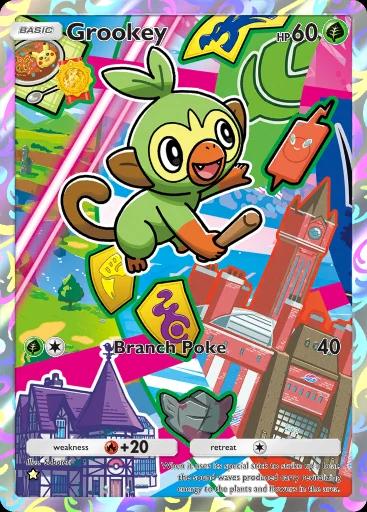
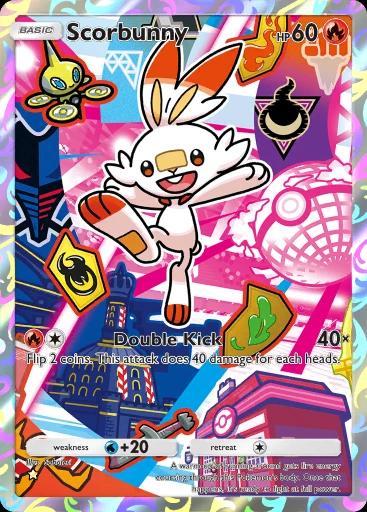
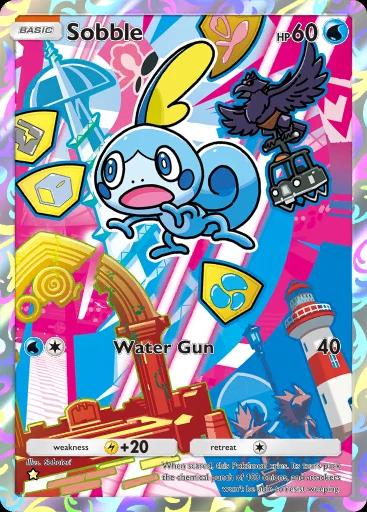
Grookey SP1-022, Scorbunny SP1-023 and Sobble SP1-024 are the Galar First Partners trio. Scorbunny's Double Kick uses two coin flips; its maximum result is a possibility, not a promise. When considering an evolution plan, compare Scorbunny C1-022, Raboot C1-023 and Cinderace C1-024. The intermediate card and the timing of the final attacker matter as much as the Basic's illustration. Grookey and Sobble also deserve exact-print checks rather than automatic substitution. If your goal is a regional binder page, all three are equally legitimate targets. If your goal is a deck, select the line you can actually support.
Paldea: a familiar name does not erase “ex”
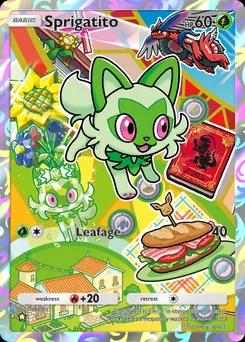
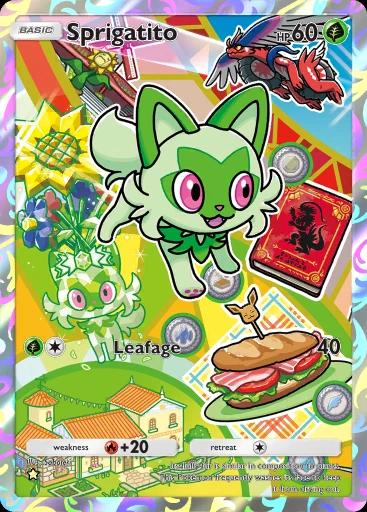
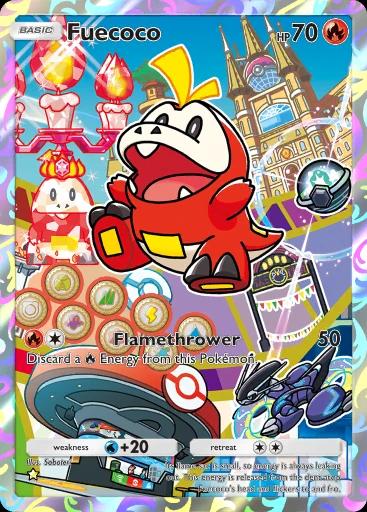
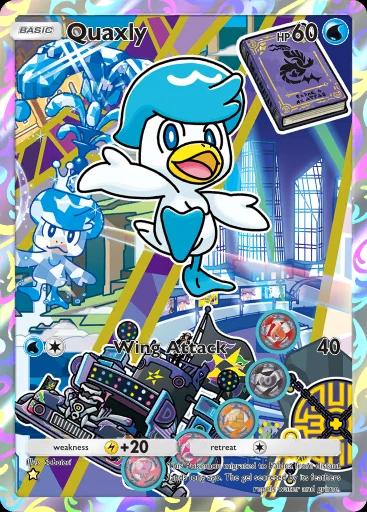
Sprigatito SP1-025, Fuecoco SP1-026 and Quaxly SP1-027 finish the 27 partners in First Partners. Pay particular attention to Fuecoco ex C1-025: the ex card is a separate identity with its own effect and point implications. It is not the ordinary SP1 Fuecoco with a different illustration. A guide that shortens both names to “Fuecoco” can conceal a meaningful deck difference. Sprigatito and Quaxly likewise need their own evolution support if you want to build beyond the Basic. For collecting, this trio is the ninth regional row; for battling, it is three separate starting points rather than a ready-made package.
First Partners Mew: three collection entries, one careful comparison
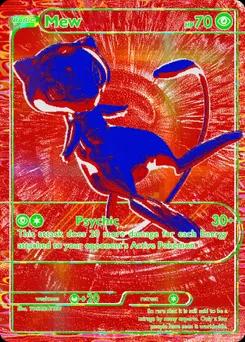
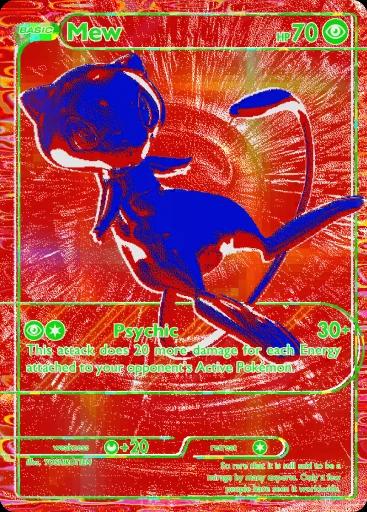
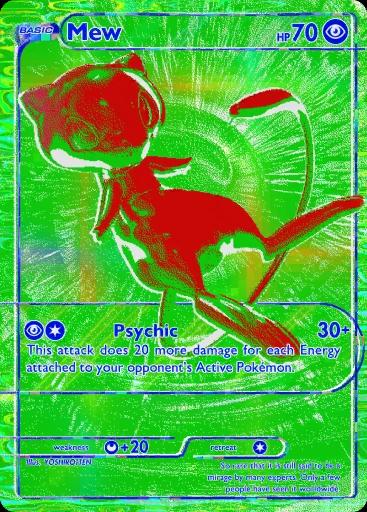
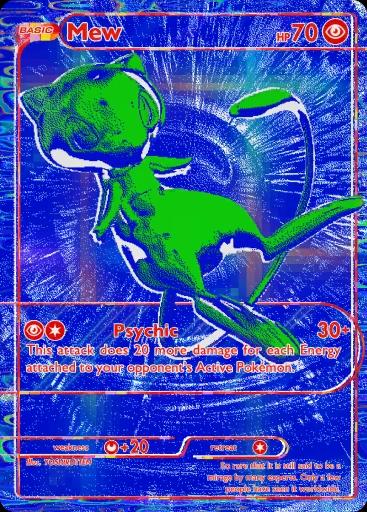
Mew SP1-028, Mew SP1-029 and Mew SP1-030 are the three additional First Partners entries commonly called RGB Mew. They explain why one checklist may say 27 and another 30. Keep both denominators visible: 27 partners describes the regional group, while 30 counts the full catalogued collection. It does not mean every pack or every rarity is equally likely.
The card database lists the same Psychic attack across these Mew variants. Its damage increases with Energy attached to the opponent's Active Pokémon. This is not Mew ex C1-057, and the artwork's relationship to the physical TCG does not make the physical card's numbers valid here. PokéBeach's comparison specifically notes differences between the games. Read the Pocket printing when evaluating an attack or a substitution.
Launch reports describe exceptionally low Mew odds, but we have not independently verified the current in-game offering table. First Partners advice here therefore does not use a numerical pull rate or a “years until you get one” calculation. An average waiting-time calculation would not guarantee a result for an individual player anyway. Do not turn a rare bonus into a weekly success requirement. Enjoy another partner illustration while keeping Mew as an optional collection target.
From First Partners artwork to a playable evolution line
Use Bulbasaur SP1-001 as an example: check Ivysaur C1-002 and Venusaur C1-003 before reserving deck slots. For Charmander SP1-002, inspect Charmeleon C1-017 and Charizard C1-018. For Squirtle SP1-003, follow Wartortle C1-030 to Blastoise C1-031. These are concrete evolution examples, not recommended finished lists or claims that those exact Basics are optimal.
First Partners cannot supply the whole line. Consult the C1 set and the regular booster comparison for the supporting prints. Before opening more ordinary packs, count your missing copies and check whether the rest of the line is already available. Do not chase an expensive illustration to solve a gameplay problem an owned card already solves. Conversely, do not count owning a different illustration as completing an exact-print collection.
For a real deck-reading exercise, compare the Mega Greninja ex / Greninja ex profile with the Mega Altaria ex / Greninja profile. These profiles show different payoffs and supporting packages despite sharing a frog family. The local snapshot reviewed for this article covers results through October 30, 2026, and contains no SP1 card IDs. It cannot establish the performance of Froakie SP1-018 or any other First Partners print. Read the dated deck overview for the dataset's own scope and limitations.
Duplicates, trading and a sensible stopping rule
A duplicate First Partners card is not necessarily useless, but do not assume it is tradeable. Launch coverage reports trading for the partner cards and exceptions for Mew; eligibility, same-rarity rules and any required resources must be checked in the current trade interface. Search for an eligible missing partner before offering a duplicate you still need. A friend wanting your card does not establish that the game currently permits that exchange.
Database placeholders are another trap. First Partners card pages may show a pack-point value, zero, or no value at all. None of those displays independently proves a working exchange route. We do not promise a crafting price, transfer ordinary pack points, or advise spending toward an unverified exchange. If the game offers a route, confirm the exact SP1 printing and displayed cost before accepting it.
For a relaxed First Partners routine, use the set checklist after each opening and revisit the pack pool when setting your next target. Stop extra-item spending when you no longer value an ordinary partner outcome. A plan that only feels successful when it produces Mew is too narrow for a random weekly collection. You can keep playing, refining a deck or enjoying the gallery without completing all thirty illustrations during the announced window.
First Partners questions returning players ask
Why can I not open another pack?
Check the First Partners availability window and its own stamina indicator. An ordinary booster becoming ready does not refill this separate resource. Read the displayed timer and any item requirement rather than repeatedly trying another pack menu. If the interface reports an account-specific error, the game's support route is more useful than a fan-site probability table.
Do I need all thirty cards to battle?
No. First Partners is a collection, not a required deck list. Inspect the exact cards your chosen deck needs, including evolutions and support. Froakie SP1-018 does not give you Frogadier C1-041 or Mega Greninja ex C1-042, and owning three Mew illustrations is not a requirement for learning the game.
Does the website's simulator show my real chances?
No. The First Partners simulator on this site draws five different cards uniformly from the thirty-card pool for entertainment. The game uses different opening rules and offering rates. A simulated Mew, a streak of partners or a complete simulated collection says nothing about your account's next result. Use the images to discover favourites, then consult the game for real opening rules.
What should I do this week?
Check the First Partners timer, use available special stamina if you want the collection, and record the exact number you receive. Revisit your favourite SP1 card or the full collection to decide what would make the next opening enjoyable. Keep ordinary pack choices tied to missing deck pieces. That leaves you with a clear collection goal and a playable project even when the next special opening is a duplicate.
A First Partners collection plan that survives duplicates
Set three levels of satisfaction before the next First Partners opening. The first can be any new illustration, the second one complete regional trio, and the third the full numbered collection. Mew can remain a separate bonus target. These levels help you recognise progress without pretending that a random pack follows your preferred order. If you only care about one Pokémon, admit that many legitimate outcomes will not advance that target. That is a reason to be cautious with extra items, not evidence that the pack is malfunctioning.
A regional goal is especially useful for a returning player because it gives the collection a personal boundary. You might choose Kanto because those were your first games, or Paldea because you recognise the newest partners. First Partners does not require either preference. Look at Bulbasaur, Chikorita and Sprigatito side by side as collection candidates. Their common Grass typing does not make them interchangeable battle cards, but it can make a satisfying visual theme. The same freedom applies to choosing an illustrator or a favourite species.
Record exact numbers, not just names. First Partners has three Mew entries, and other sets have many prints of the same partner. “I own Mew” therefore does not answer whether SP1-028, SP1-029 or SP1-030 is missing. The distinction also prevents a misleading completion percentage: a species collection, a numbered partner checklist and a full thirty-entry set each use a different denominator. Decide which one you are tracking before comparing your progress with a friend's collection.
Reading a First Partners Basic before replacing an owned card
For any First Partners substitution, write down five fields: HP, attack requirements, attack effect, retreat cost and evolution identity. Then ask which field matters during the turns your current deck actually spends with that Basic in play. A card that looks better in isolation may cost an extra attachment, discard an Energy you needed later, or become harder to move out of danger. Keep the whole turn sequence in mind instead of comparing one attractive damage number.
Consider Charmander SP1-002 again. Its attack discards Fire Energy. If you intend to evolve shortly afterwards, determine whether attacking now delays the evolved Pokémon's next attack. A knockout or a necessary defensive play may justify the discard; casual damage that changes nothing may not. This is a reasoning exercise rather than a claim that one particular Charmander is always correct. The C1 counterpart provides a concrete alternative to read alongside your current cards.
With Squirtle SP1-003, plan a turn where the paralysis flip fails. Can you still evolve, retreat or survive? If your plan only works when the opponent loses a turn, label that dependence honestly. With Bulbasaur SP1-001, ask whether the healing changes the number of opposing attacks needed to knock it out. Healing that changes a survival threshold can matter more than healing that only changes the displayed HP total. Neither question needs an invented win rate.
Finally, separate legal evolution from a tested recommendation. First Partners gives you recognisable starting Pokémon, while Frogadier, Wartortle and Ivysaur illustrate the intermediate steps you still need to investigate. Before replacing several cards, test one coherent line in the modes available to you and read the opponent's replies. A completed binder row can be enjoyed immediately; a changed deck deserves its own evaluation. That boundary keeps First Partners useful to both collectors and players without turning every new illustration into a compulsory upgrade.
Check the current event notice again if the availability or displayed requirements change.