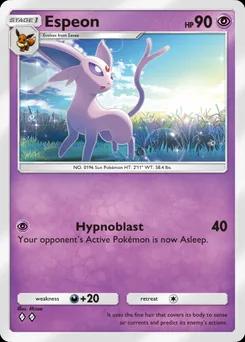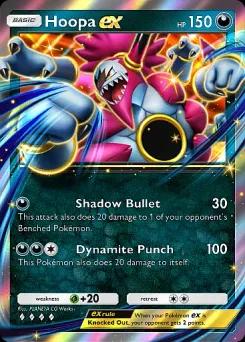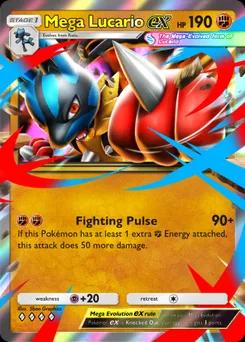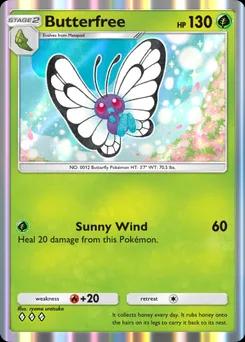

There is no single answer to best deck 2026 until you say what “best” is supposed to optimize today. A ladder grinder wants the highest win rate per game. A collector wants the shortest path from owned cards to a finished list. A tournament player wants a deck that holds up against whatever the room is playing.
Short answer, checked October 3, 2026: for the best deck 2026 pick with the strongest mix of volume and results, play Mega Altaria ex / Espeon. It posted 52.4% over 2,437 games, and its share climbed from 2.1% to 8.4% in two months. If you want a lower-profile edge, look at Hoopa ex / Mega Absol ex at 55.9%. If you want the cheapest entry, look at the Dragonair / Mega Rayquaza ex list. The most played deck, Mega Lucario ex / Lucario, is not the best deck 2026 candidate the crowd thinks it is.
The rest of this guide shows the numbers behind those sentences, where they can mislead you, and how to turn them into a decision.
What this best deck 2026 snapshot measures
Every number below comes from our own deck dataset, built on public Limitless tournament results. The window runs through September 26, 2026, and it covers 30 tournaments, 4,975 decklists and 13,471 analysed matches. Only standard Swiss events with public decklists and at least 64 players count. The 4,396 lists in ranked archetypes had a pooled win rate of 49.6% (12,106 wins / 24,394 player-game records). This is the ranked-archetype benchmark used below, not the whole-field average. Across all 4,975 lists, the rate was 48.5% (13,075 / 26,942). Ties count in the denominator but not as wins; selecting only ranked archetypes also changes the baseline.
Two limits matter for a best deck 2026 decision:
- It is tournament data, not ladder data. Players who register for online events tend to know their decks. Your ranked games will have more pilot mistakes, and the matchup mix will differ.
- It ends before the newest releases. The window closes three days before Deluxe Pack: Mega and well before the dual-type series announced for October. Neither is reflected here.
We also show a 95% Wilson interval next to every win rate. Under a model of independent games with a stable win probability, it estimates uncertainty about that probability; it does not predict the next batch of results or account for shifts in pilots and opponents. A 52% result over 2,400 games is more informative than a 58% result over 63 games, but neither guarantees future wins.
The Tier List uses the same data. Its score is 50% performance confidence (the lower end of that interval, ranked against other decks), 35% meta presence and 15% best tournament finish. That is why a deck can sit in the S band without being the most played deck.
The best deck 2026 table: twelve decks that matter
Sorted by Tier List score, with share and results from the same window.
| Score | Deck | Lists | Share | Win rate | 95% range | Games |
|---|---|---|---|---|---|---|
| 99 | Mega Altaria ex / Espeon | 420 | 8.44% | 52.4% | 50.4–54.4 | 2,437 |
| 98 | Butterfree / Mega Sceptile ex | 274 | 5.51% | 51.9% | 49.4–54.3 | 1,570 |
| 96 | Suicune ex / Baxcalibur | 164 | 3.30% | 52.1% | 48.9–55.2 | 970 |
| 96 | Hoopa ex / Mega Absol ex | 112 | 2.25% | 55.9% | 52.1–59.6 | 669 |
| 95 | Hydreigon / Mega Absol ex | 191 | 3.84% | 51.3% | 48.4–54.3 | 1,093 |
| 95 | Magnezone / Miraidon ex | 154 | 3.10% | 51.8% | 48.6–55.0 | 935 |
| 95 | Dragonair / Mega Rayquaza ex | 170 | 3.42% | 51.4% | 48.3–54.5 | 986 |
| 92 | Mega Manectric ex / Heliolisk | 120 | 2.41% | 51.3% | 47.6–54.9 | 722 |
| 92 | Mega Lucario ex / Lucario | 429 | 8.62% | 47.7% | 45.7–49.7 | 2,304 |
| 90 | Vespiquen ex / Shuckle ex | 210 | 4.22% | 50.5% | 47.6–53.4 | 1,157 |
| 89 | Mega Blaziken ex | 150 | 3.02% | 48.3% | 44.9–51.8 | 803 |
| 87 | Mega Charizard Y ex / Entei ex | 126 | 2.53% | 51.1% | 47.4–54.7 | 709 |
Three readings stand out.
- In this table, only Altaria / Espeon and Hoopa / Absol have intervals that sit entirely above the 49.6% ranked-archetype benchmark. Everything else in the middle is "probably fine" rather than "proven good".
- Mega Lucario ex has a lower point estimate. Its 47.7% result is below the ranked-archetype benchmark, but its interval (45.7–49.7%) includes the 49.6% benchmark. This interval alone does not establish below-benchmark performance, even though it is the most played deck.
- The spread between the top and the middle is small. Nine decks in the table land between 50.5% and 52.4%. At that level, the pilot, the list and the matchup lottery decide more than the archetype.
Why the most played deck is not the best deck 2026 pick
Mega Lucario ex with Lucario appeared in 429 lists, 8.62% of all lists, and it is the most played deck in the window. Game8's September 30 tier list puts it in S tier, and the reasons are real: the deck is cheap to assemble, and Fighting Pulse deals up to 140 damage for two Energy once Korrina and Arena of Antiquity are in play. Game8 names finding Mega Lucario ex as its main weakness.
The results tell a different story. Its record was 1,099 wins, 1,158 losses and 47 ties. Its share was 11.2% in the selected early-September snapshot and is lower in the latest window, while its win rate went from 51.2% to 47.7%. Two explanations fit and the data cannot separate them: opponents adapted to the deck, or a popular, easy-to-pilot deck simply attracts a wider range of pilots.
If you already own the cards and you enjoy the deck, nothing here forbids playing it. If you are choosing a best deck 2026 candidate to craft or open packs for, the data says to look elsewhere first.
How the best deck 2026 contenders moved in two months
The Registry stores a snapshot every time the dataset regenerates, so we can compare rolling windows. Each cell shows share / win rate.
| Deck | Early August | Early September | Latest (Sept 26) |
|---|---|---|---|
| Mega Altaria ex / Espeon | 2.1% / 55.0% | 3.2% / 53.6% | 8.4% / 52.4% |
| Mega Lucario ex / Lucario | 4.7% / 50.7% | 11.2% / 51.2% | 8.6% / 47.7% |
| Butterfree / Mega Sceptile ex | 3.5% / 46.6% | 1.6% / 55.1% | 5.5% / 51.9% |
| Vespiquen ex / Shuckle ex | 1.8% / 51.5% | 7.3% / 50.5% | 4.2% / 50.5% |
| Suicune ex / Baxcalibur | 6.5% / 52.0% | 3.7% / 51.5% | 3.3% / 52.1% |
| Hydreigon / Mega Absol ex | 2.0% / 48.1% | 2.0% / 49.5% | 3.8% / 51.3% |
| Dragonair / Mega Rayquaza ex | 1.1% / 49.0% | 1.6% / 48.1% | 3.4% / 51.4% |
| Magnezone / Miraidon ex | 0.8% / 48.6% | 2.3% / 54.7% | 3.1% / 51.8% |
| Mega Blaziken ex | 0.1% / 40.0% | 1.1% / 54.0% | 3.0% / 48.3% |
Here is what the movement says about the best deck 2026 race:
- Altaria / Espeon grew without losing its edge. Its win rate drifted down as it got popular, which is normal, but it stayed above 52%.
- Suicune ex / Baxcalibur is the stable veteran. It lost half its share since early August and still sits at 52.1%. Stable results with falling attention often mean the deck is known and still works.
- Early-August numbers can be misleading. Our previous version of this guide listed Miraidon ex / Magnezone as the volume leader at 8.95%. The same engine now appears under two classifier variants that together hold roughly 4.3%. Always compare deck IDs and core cards before you assume a deck vanished.
- Mega Rayquaza ex and Hydreigon are the risers. Rayquaza tripled its share and Hydreigon nearly doubled it, while both win rates climbed into the 51% range.
Open the live Meta rankings to see whether the order has changed since this snapshot.
Matchups: the triangle behind the best deck 2026 conversation
The most useful table for choosing a best deck 2026 contender is not the share table. It is the head-to-head table. Each cell is the row deck's win rate against the column deck, with games in brackets. Ties explain why mirror cells do not add to exactly 100%.
| Row beats column | Lucario | Altaria / Espeon | Butterfree / Sceptile | Vespiquen |
|---|---|---|---|---|
| Mega Lucario ex | – | 25% (204) | 30% (126) | 61% (88) |
| Mega Altaria ex / Espeon | 72% (204) | – | 46% (156) | 31% (110) |
| Butterfree / Mega Sceptile ex | 68% (126) | 50% (156) | – | 31% (61) |
| Vespiquen ex / Shuckle ex | 38% (88) | 62% (110) | 66% (61) | – |
Every cell in this table has at least 61 games, which is enough to show direction but not certainty.
The pattern is a rock-paper-scissors loop. Altaria / Espeon beats Lucario 72% of the time. Lucario beats Vespiquen 61%. Vespiquen beats Altaria / Espeon 62%. Butterfree / Mega Sceptile ex beats Lucario 68% and splits with Altaria at 50%, but it loses badly to Vespiquen.
This is the central best deck 2026 insight that raw tier lists hide. Lucario's high share and low win rate are partly explained by a bad matchup against the next most popular deck. Altaria / Espeon's strong overall result is partly explained by how much Lucario it meets.
Other cells worth knowing, all with at least 79 games:
- Dragonair / Mega Rayquaza ex beats Lucario 68% (79 games) but loses to Altaria / Espeon 42% (122 games).
- Suicune ex / Baxcalibur is below even against Lucario (41%, 81 games) and Altaria (47%, 86 games). Its overall 52.1% comes from the rest of the field.
- Hydreigon / Mega Absol ex is slightly favoured against Lucario (55%, 99 games) and unfavoured against Altaria (40%, 104 games).
Cells below 100 games are directional, not decisive. Cells below 40 games, such as Mega Blaziken ex at 85% against Butterfree on 34 games, should be ignored for decisions. Use the matchup tab on each deck page for the full list and its sample counts.
Six decks, six reasons: how each best deck 2026 contender plays
Mega Altaria ex / Espeon: the all-rounder
The list is almost fixed. Mega Altaria ex, Espeon and Darkrai appear in essentially every list, with two copies of Espeon and Darkrai. Psychic Energy is used by about 89% of lists. Game8's guide describes the plan as early pressure from Espeon and Darkrai, then Mega Harmony for up to 130 damage once the Bench fills.
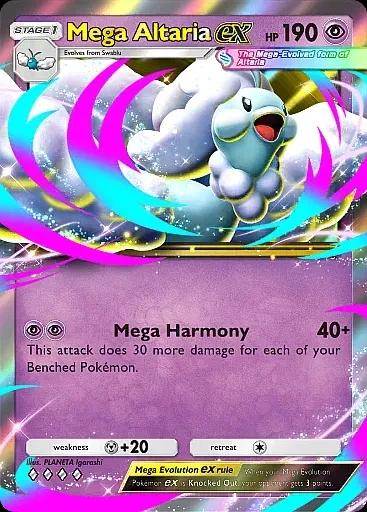
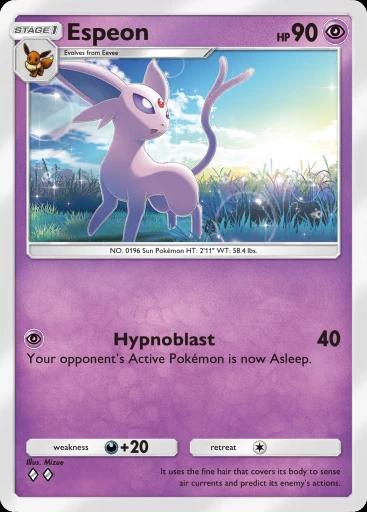
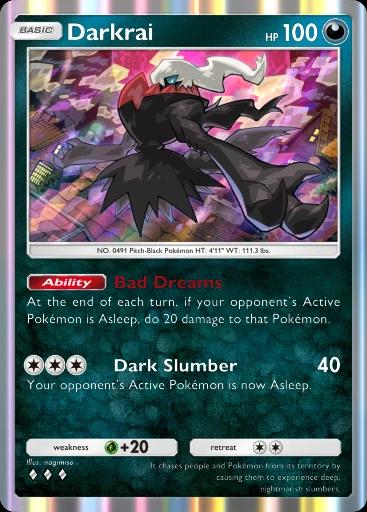
Pick it if you want the best deck 2026 candidate with the least guesswork. Weak spot: Game8 warns about bad starts when you open with Darkrai, and the deck loses to Vespiquen 62% to 31%. The cards come from six sets, including Mega Rising, Paradox Drive and Secluded Springs.
Hoopa ex / Mega Absol ex: the quiet overperformer
Hoopa ex is a Ruler of the Skies card, so this archetype is young. It posted 55.9% over 669 games with an interval of 52.1–59.6%. Game8 places the Hoopa / Darkrai shell in A+ and notes that Hoopa's Shadow Bullet applies pressure for one Energy while Darkrai ex builds damage over time.
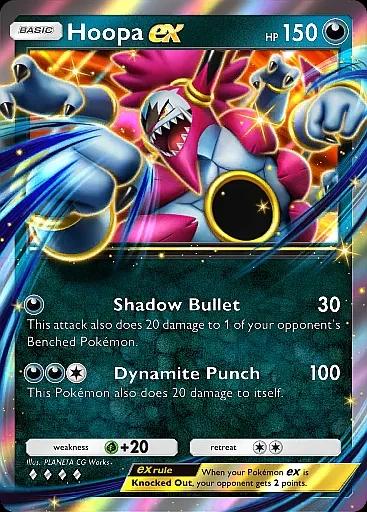
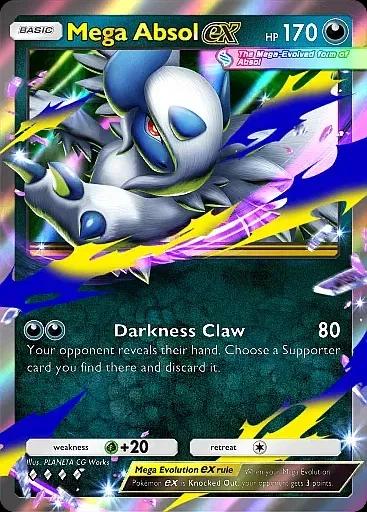
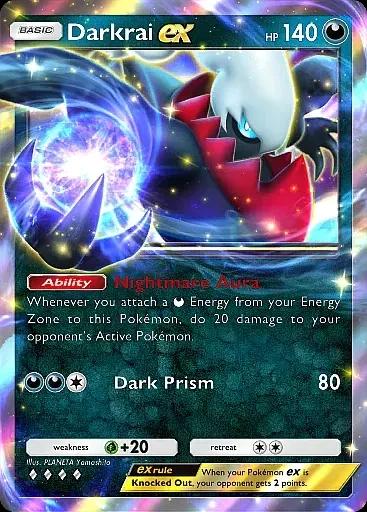
Pick it if you want a best deck 2026 option with fewer opponents who know how to beat it. Weak spot: only 112 lists, so the sample is still thin, and Game8 warns about longer games where the opponent gains the late advantage. It needs cards from five sets, led by Ruler of the Skies.
Butterfree / Mega Sceptile ex: the Lucario answer
Butterfree comes from Everyday Wonders and Mega Sceptile ex from Pulsing Aura. Quick-Grow Extract and Fragrant Forest appear in nearly every list, which says how much this deck relies on setup consistency. It beat Lucario 68% and holds Altaria / Espeon to an even 50% across 156 games.
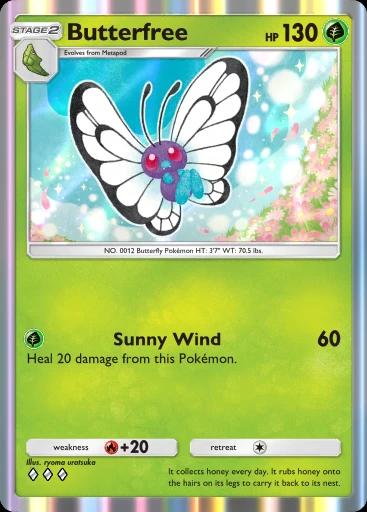

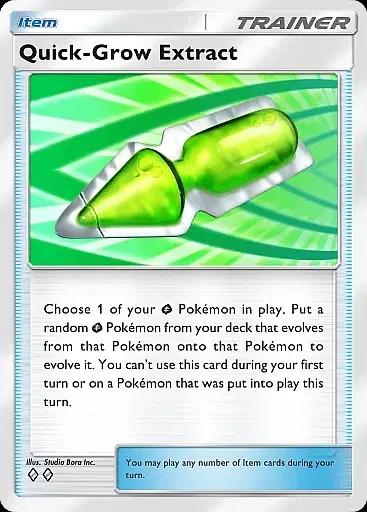
Pick it if your local meta is Lucario-heavy and you want a best deck 2026 counter-pick. Weak spot: Vespiquen beats it 66% of the time.
Suicune ex / Baxcalibur: the veteran
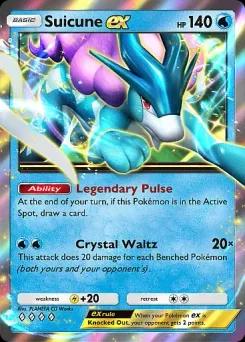
Suicune ex, Baxcalibur and Chien-Pao ex have been in the conversation since before this period began. Game8 labels the deck S tier and highlights Chien-Pao ex's ability to target any Pokémon on the Bench with Diving Icicles. The shared Metal weakness is the stated risk.
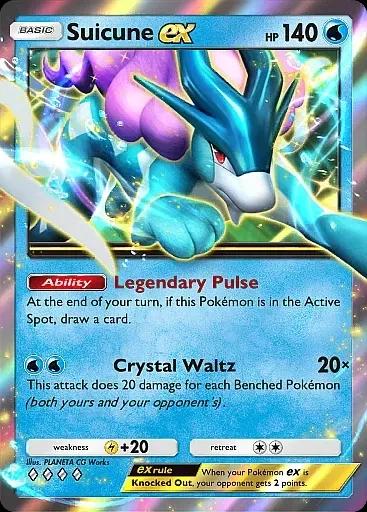
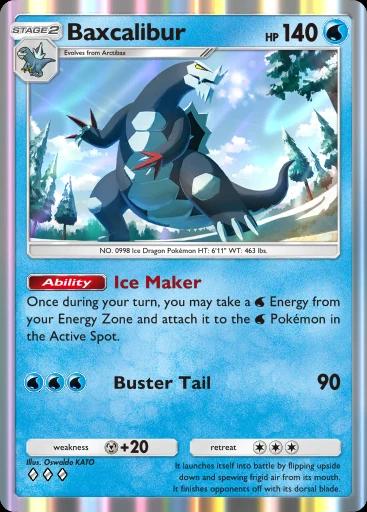

Pick it if you want a best deck 2026 option whose behaviour is well understood. Weak spot: it is below even against both Lucario and Altaria / Espeon, so its record depends on the rest of the field.
Dragonair / Mega Rayquaza ex: the budget climber
Mega Rayquaza ex and Dragonair share Ruler of the Skies with Rainbow Cave. Add Gouging Fire from Paradox Drive and only Copycat from Mega Rising, and you have a complete core from three sets. Lists run Fire and Lightning Energy together. Game8 ranks the Gouging Fire shell A+.

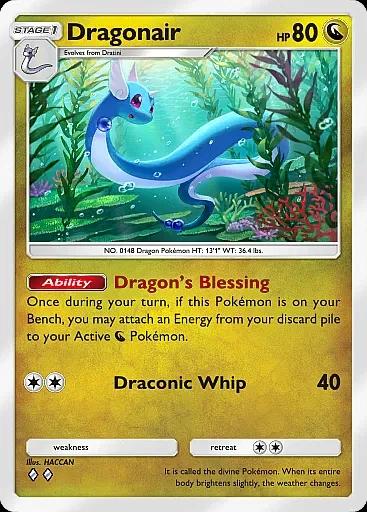
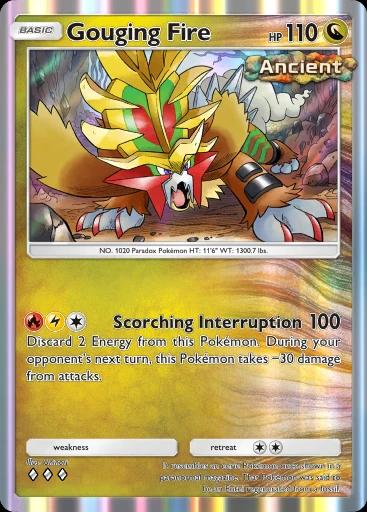
Pick it if you have opened Ruler of the Skies packs but little else and still want a best deck 2026 contender. Weak spot: it loses to Altaria / Espeon 42%. See our Rayquaza deck guide for the earlier promo-era list and print choices.
Vespiquen ex / Shuckle ex: the counter-pick
Vespiquen ex is from Ruler of the Skies and Shuckle ex from Wisdom of Sea and Sky. It beats Altaria / Espeon 62% and Butterfree 66%, and it is exactly the best deck 2026 counter-pick the triangle suggests when Altaria is everywhere. Its overall 50.5% includes a 38% result against Lucario.
Pick it if you can predict that the room is Altaria-heavy. Weak spot: cards from eight sets, the widest collection cost on this page.
Collection cost: the best deck 2026 you can actually build
A deck you cannot finish is not your best deck 2026. Use the TCGP Tracker to compare, then count the sets behind each deck's core cards (those that appear in at least 90% of lists, excluding promo cards).
| Deck | Core-card sets | Where the engine lives |
|---|---|---|
| Mega Lucario ex / Lucario | 3 | Pulsing Aura, Space-Time Smackdown, Mega Rising |
| Dragonair / Mega Rayquaza ex | 3 | Ruler of the Skies, Paradox Drive, Mega Rising |
| Vespiquen ex / Shuckle ex | 8 | Ruler of the Skies, Wisdom of Sea and Sky, plus six support sets |
| Suicune ex / Baxcalibur | 5 | Secluded Springs, Paldean Wonders, Celestial Guardians |
| Hoopa ex / Mega Absol ex | 5 | Ruler of the Skies, Mega Rising, Space-Time Smackdown |
| Butterfree / Mega Sceptile ex | 6 | Everyday Wonders, Pulsing Aura, Crimson Blaze |
| Mega Altaria ex / Espeon | 6 | Mega Rising, Paradox Drive, Mega Shine |
Use that table as a screen, not a verdict. Count what you are missing. If you lack an engine card, such as the main attacker or the evolution line, the deck is expensive. If you lack a Supporter or a Stadium, you can usually delay.
Deluxe Pack: Mega launched on September 29, 2026 (September 30 in some time zones) and reissues every four-diamond card from Mega Rising through Ruler of the Skies. Its four-card packs guarantee one Pokémon ex. Because it reissues earlier cards, our reading is that it is a catch-up product rather than a new competitive set. A guaranteed ex does not mean a guaranteed missing ex, so check the Deluxe Pack Mega guide before opening.
For a best deck 2026 plan on a tight budget, the order is simple: finish a deck whose engine you already own, and only then consider a better deck.
Which best deck 2026 fits you?
| If you are… | Start with | Why |
|---|---|---|
| A ladder player who wants steady wins | Mega Altaria ex / Espeon | Highest score, 8.4% share, tested on 2,437 games |
| Willing to take a risk on a young deck | Hoopa ex / Mega Absol ex | Best interval among the decks with 600+ games |
| Facing lots of Lucario | Butterfree / Mega Sceptile ex | 68% over 126 games against it |
| Facing lots of Altaria / Espeon | Vespiquen ex / Shuckle ex | 62% over 110 games against it |
| Short on packs | Dragonair / Mega Rayquaza ex | Three-set core, rising share |
| New to Pocket | Mega Lucario ex / Lucario | Three sets and a direct plan, even if its win rate is below average |
| A player who values stable play | Suicune ex / Baxcalibur | Same win rate for two months |
Match the best deck 2026 choice to your situation, then build and test a list in the Deck Builder. Play at least ten games with an unchanged list, write down why you lost, and then change a single role at a time. Ten personal games do not replace tournament evidence, but they show whether you can pilot the deck.
How to read a best deck 2026 claim without being fooled
Use these checks on this page and on every other tier list.
- Check the sample. Under 100 games, call it a lead. Under 40, ignore it. Mega Diancie ex / Carbink shows 58.7% on 63 games, and Charizard ex / Mega Charizard Y ex shows 73.2% on 41 games. Both look amazing and neither is a recommendation.
- Look for the interval, not the point value. The Mega Lucario ex interval ends at 49.7%. Hoopa / Absol's starts at 52.1%. That is a more honest comparison than 47.7% versus 55.9%.
- Ask who the opponents were. A deck that farms a popular but weak matchup looks stronger than it is.
- Check the date. Many pages titled "best deck 2026" are written for one set and never updated. Our older Best Deck 2025 page is an archive. The best-deck decision guide now has its own dated current-meta snapshot; compare the windows before comparing its numbers.
- Compare external lists, but do not average them. Game8's September 30 list puts Chien-Pao ex / Baxcalibur, Mega Lucario ex / Hitmonlee and Mega Altaria ex / PD Espeon in S. Our data agrees on two of those three. The weighting and sample differ, and that is fine. Disagreement is information.
What can change the best deck 2026 list next
Three scheduled events are on the calendar, and each can reshuffle the table.
- The October dual-type series. Pokémon announced dual-type cards at PokémonXP, with Mega Mewtwo X ex (Psychic and Fighting) as the first example. Game8's example is that a card with two types can use Stadiums and Supporters aimed at either type, such as Peculiar Plaza or Arena of Antiquity and Korrina or Diantha. Game8 guesses the set code will be C1; treat that as unconfirmed.
- Late-October rental and deck features. The official Deluxe Pack: Mega announcement says rental decks will be reset to use cards from the latest boosters, a community decks feature will let you search public decks you can build, theme decks are being discontinued and step-up battles will be reworked. Expect community decks to spread whichever lists are easy to copy.
- Ranked Match Season B4b SP. The same announcement says that in mid-to-late October, you will not lose rank points when defeated, and the win-streak bonus extends to ten wins. That is the lowest-risk window of the quarter to test an unfamiliar deck.
Our practical rule: do not open dozens of packs for a single deck right before a new series. If you must choose today, pick the deck that you can finish with the packs you already have, and keep any spare resources for after the first new-series data lands. Refresh the Latest Additions page for new archetypes and the Tier List for score changes.
Best deck 2026: frequently asked questions
What is the best deck 2026 in Pokémon TCG Pocket right now?
On our September 26 data, Mega Altaria ex / Espeon has the best combination of volume and win rate. Hoopa ex / Mega Absol ex has the highest win rate among decks with more than 600 games but a smaller sample. The answer changes with each data refresh.
Is the best deck 2026 the most played deck?
No. Mega Lucario ex / Lucario is the most played with 8.62% share but converts at 47.7%, below the 49.6% ranked-archetype benchmark. Popularity measures what players chose, not what won.
What is the best deck 2026 for beginners?
Pick a deck that your collection can finish and whose plan you can explain in one sentence. Mega Lucario ex / Lucario is straightforward and needs three sets, though its results are below average. Dragonair / Mega Rayquaza ex is also a three-set core and is climbing.
How reliable is a tier list for the best deck 2026?
A tier list is a snapshot with a sample window. It is reliable for the matchups and shares it measured, and unreliable beyond them. Check the date, the games behind each number and the interval before trusting a letter grade.
Will the best deck 2026 change after the October update?
Probably. Dual-type cards, new Basic Pokémon ex and reworked rental and community deck features all arrive in the same period. Recheck the Meta rankings after the first tournaments with the new cards.
Final checklist: your best deck 2026 shortlist
- Choose two or three best deck 2026 candidates from the table, not one.
- Prefer decks whose interval clears 49.6% or that have a favourable matchup into what you actually face.
- Count the missing engine cards in your Tracker before spending packs.
- Test ten games with a fixed list.
- Recheck the data after the October series launches.
If you want to go deeper on a single archetype, see the Mega Rising set page for the Altaria, Absol and Hydreigon engines, the Team Rocket's Ambition guide for the newest B4a pieces, and the electric deck guide if the Magnezone / Miraidon line interests you.