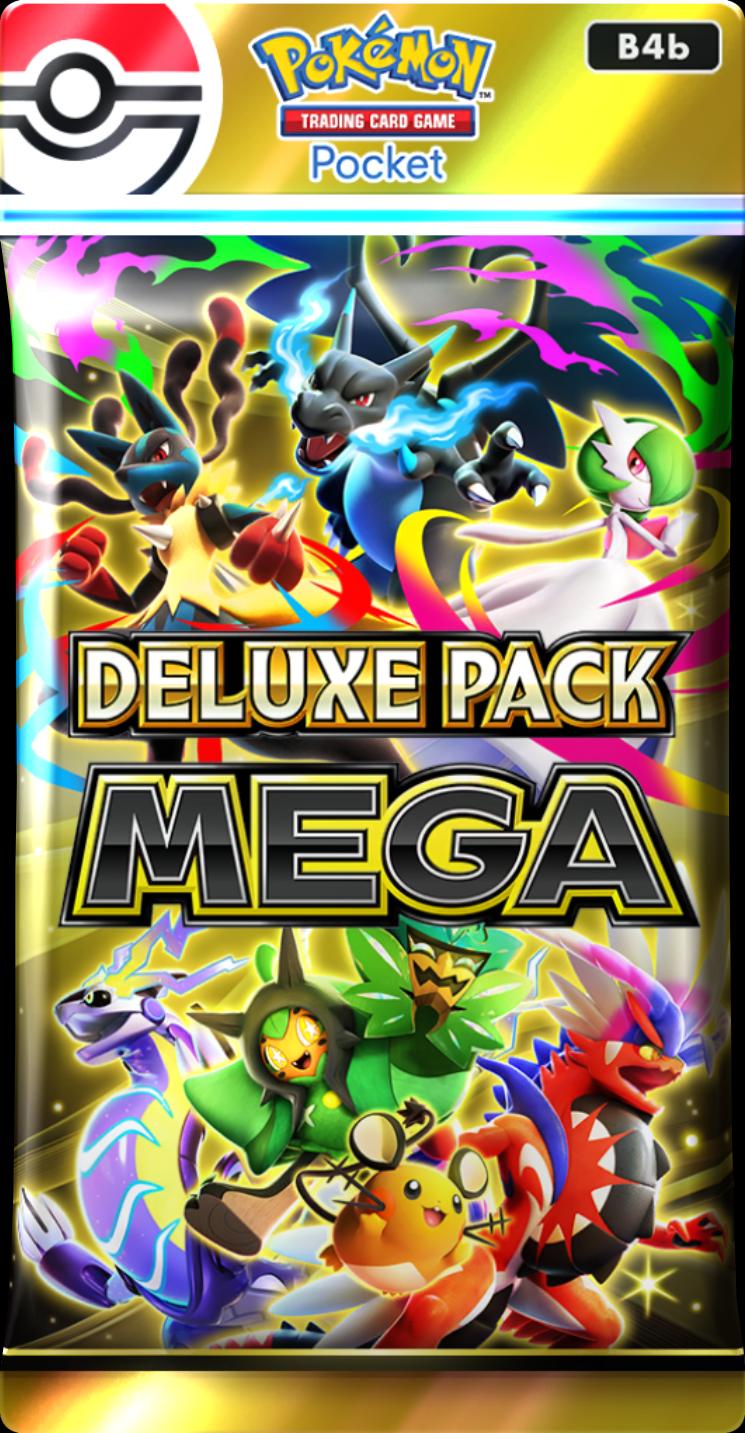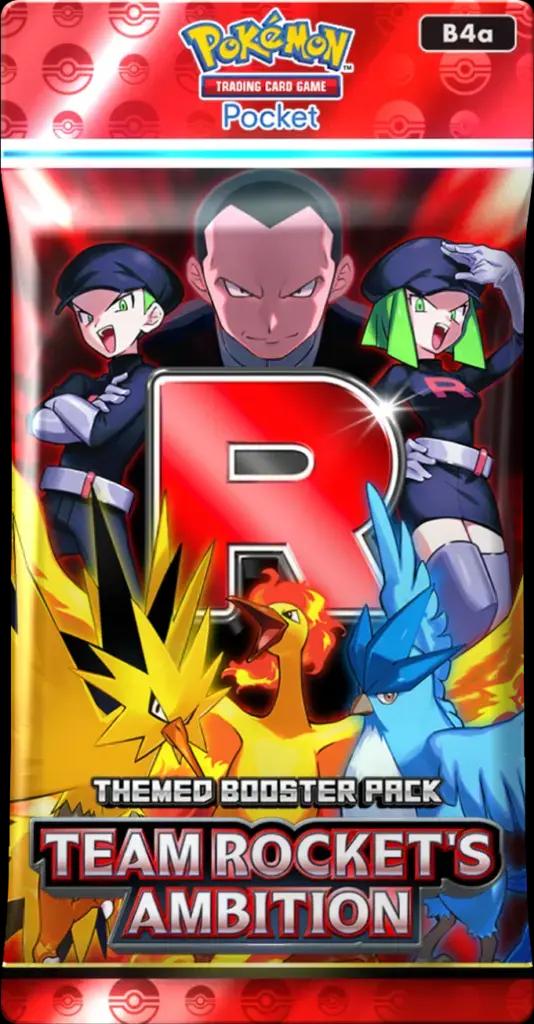

If you searched for a Deluxe Pack, you probably want three answers at once: which cards still improve a list, which prints are only cosmetic duplicates, and when a broad High Class Pack stops being worth opening. Officially named Deluxe Pack: ex (set code A4b), it is not a normal expansion with one new engine. It reprints A-Series cards from Genetic Apex through Wisdom of Sea and Sky, so its value depends on the missing effect in your collection rather than on the loudest featured illustration.
The short answer in August 2026
Open this High Class Pack when it can supply a specific gameplay effect you still lack—searchable Basics, a draw Supporter, Rare Candy, or a named ex finisher—and you already wrote a stopping rule. Choose a focused expansion instead when you need a complete new engine. The repository's dated tournament snapshot covers 30 tournaments, 5,385 decklists, and 14,657 analysed games from July 4 through August 2, 2026. Use that sample for staple demand, not as a pull-rate promise. Check the live Limitless deck explorer before spending Pack Points.
Official Pokémon coverage states each pack contains four cards and guarantees at least one ♦♦♦♦ card or higher, with parallel-foil treatments and new artwork on select reprints (announcement, arrival note, press release). Availability is time-gated: the first window ran late September through late October 2025, with a documented January 2026 return and editorial trackers listing further reruns—including a mid-August 2026 window on Pokémon Zone. Confirm the live in-game schedule before budgeting.
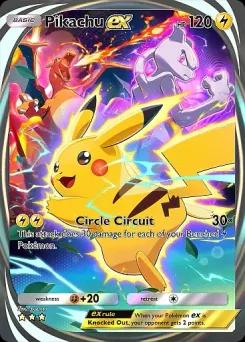
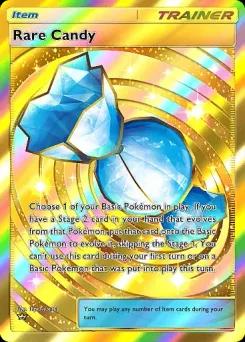
The local Deluxe Pack: ex set page and pack page are the source of truth for routes and the print pool. Evaluate Pikachu ex, Professor's Research, and Rare Candy by effect first. A Deluxe Pack purchase can be excellent for a new account missing staples and inefficient for a veteran who already owns functionally identical text.
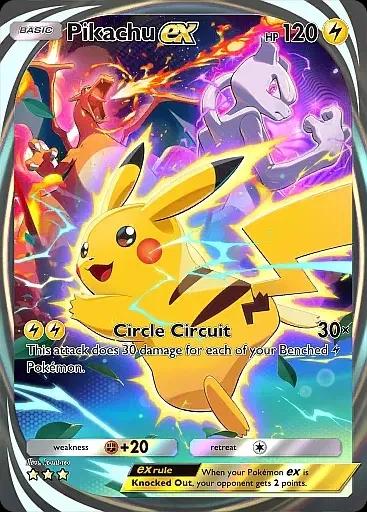

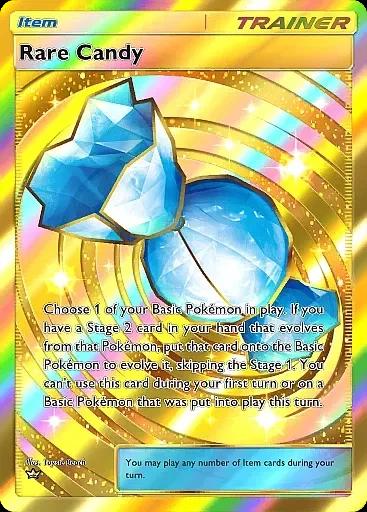
A broad reprint pool is best judged by missing gameplay effects, duplicate prints, and a clear stopping rule.
Start with the goal, not the logo
Write one goal before the first opening:
- Playable effect: one card ID completes a list today.
- Engine completion: two or more related pieces, such as an ex attacker plus its Supporter or evolution line.
- Collection or artwork: you want a parallel foil or alternate illustration even though another copy already plays the same way.
- General value: you want broad staples and accept that no single name is guaranteed.
Goals 1 and 2 can justify opening. Goal 3 is a hobby spend—label it that way. Goal 4 needs a hard budget because a wide pool makes any one target less predictable than a focused booster. Do not call a collection goal “best value” without naming the value being measured.
Separate print identity from gameplay identity
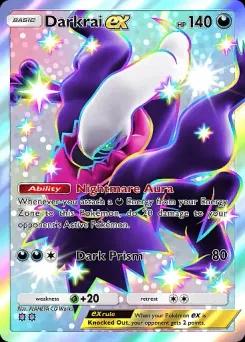
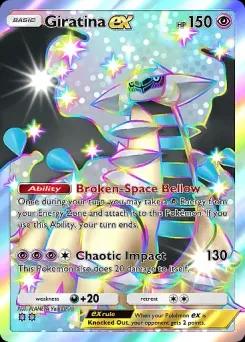
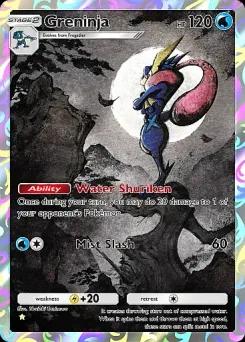
Ask whether two cards share the same local gameplay text. Pikachu ex may be an attractive Immersive or alternate print, but a ladder player cares whether it changes a damage threshold or merely replaces an owned copy. Apply the same check to Darkrai ex, Giratina ex, Greninja, Charizard ex, and Venusaur ex.
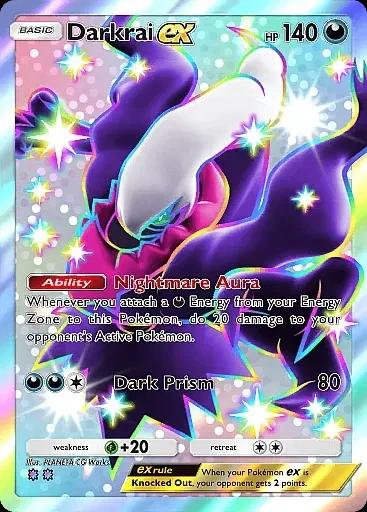
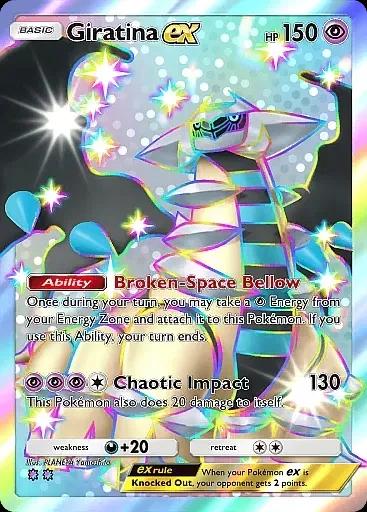
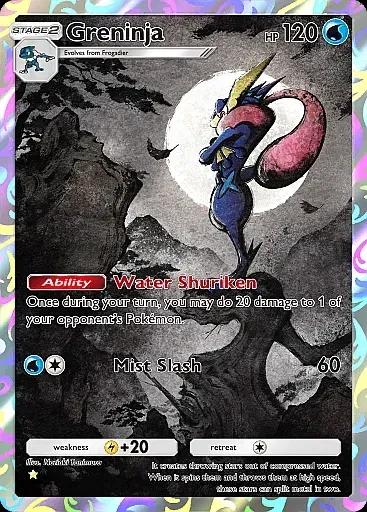
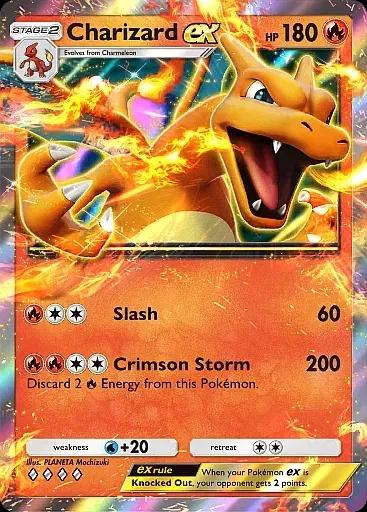
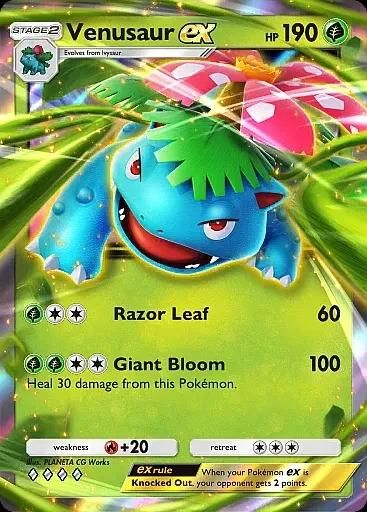
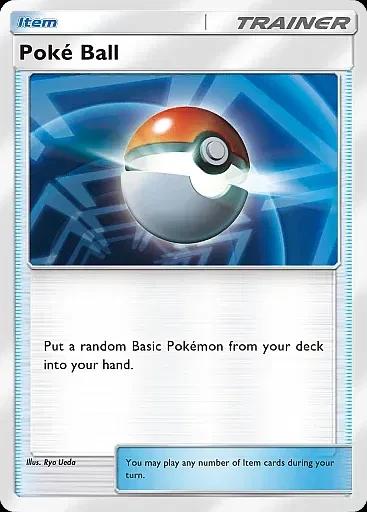
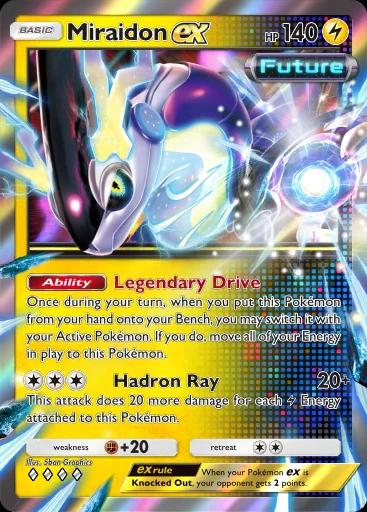
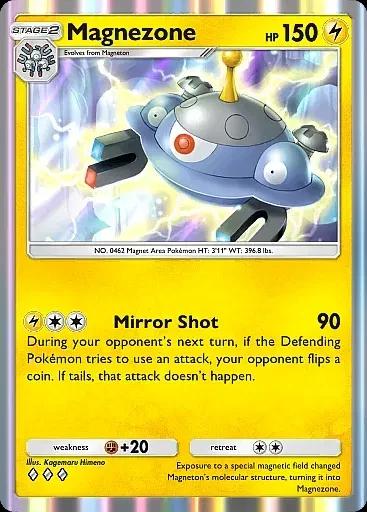
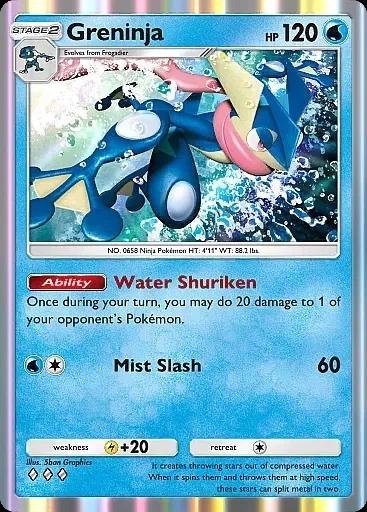
Use the local card page for effect text and the set/pack pages for acquisition. A flashy alternate illustration can still be the wrong spend if your list needs draw, search, or a low-cost attacker instead.
A target matrix that prevents impulse opening
| Your situation | First check | Stop condition |
|---|---|---|
| New account, few staples | Professor's Research, Poké Ball, Rare Candy | Stop when the core draw/search package is playable. |
| One missing finisher | Exact ex ID such as Pikachu ex or Darkrai ex | Stop after the list is complete; do not chase a second artwork. |
| Duplicate ex prints | Compare local card text and rarity | Stop if the new copy changes no deck decision. |
| Collector goal | Choose the exact print and budget | Stop at the artwork goal, regardless of competitive value. |
| Current meta upgrade | Compare a live deck sample first | Stop if another set supplies the missing engine more directly. |
The product is strongest when one opening solves a known bottleneck. It is weakest when the target is “anything good.” Checklist card IDs, not only Pokémon names—alternate prints can share a name while belonging to different sets.
How to measure value without inventing a pull rate
Value has three layers. Gameplay value asks whether the card changes the next turn: does Rare Candy speed a Stage 2 line, does Professor's Research repair a dead hand, does an ex create a new attack threshold? Collection value asks whether the print, rarity, or foil is personally worth the resources. Opportunity value asks what you give up by not opening a focused pack. The same opening can score highly in one layer and poorly in another.
Keep a short ledger: card ID, deck that needs it, copies already owned, and the alternative route. If the piece is needed for Miraidon ex Magnezone—482 lists and 8.95% share in the July 4–August 2 sample—note that deck. If it is only an alternate Pikachu ex print, label it collection-only. The official App Store listing, Google Play listing, Pokémon TCG hub, and Serebii Deluxe Pack checklist confirm product context; none of them promises your named chase card.
If you can craft the one missing Supporter, compare Pack Point cost with the expected cost of fishing in a broad pool. If you are building a new shell, compare complete engines in Secluded Springs and Wisdom of Sea and Sky rather than comparing banners. For second opinions on opportunity cost, read Nintendo Life's booster guide and Pocket Tactics' Pocket coverage—context, not guarantees.
Compare the opportunity cost
Before another opening, inspect Secluded Springs and its pack route, then Wisdom of Sea and Sky and the Ho-Oh pack. A focused set may deliver a complete Suicune, Ho-Oh, or Lugia line while a reprint product returns one attractive card and several duplicates. The right answer depends on the next playable deck.
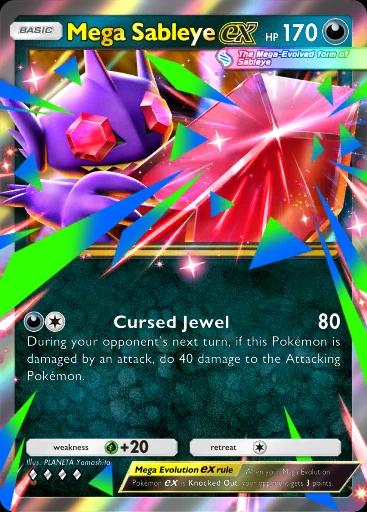
Local deck pages make the comparison concrete. Miraidon ex Magnezone, Mega Sceptile ex Greninja, Greninja Mega Sableye ex, and Hydreigon Mega Sableye ex use different staple mixes. If an A4b print does not fill the role your chosen list needs, treat it as collection rather than an upgrade. For a current Fire-engine alternative, also weigh Crimson Blaze and its pack.
The stop rule
Write the stop rule before the first tap: stop when the target ID is owned, when a cheaper craft or trade replaces the missing effect, or when only artwork remains. Do not move the goalposts because the next pack feels “due.” Guides such as Nintendo Life, Pocket Gamer's best decks, and the Game8 A4b list help compare routes; none can promise a particular pull.
The official Pokémon TCG Pocket site, gameplay FAQ, and Bulbapedia set page define product and offering-rate tables at the rarity-tier level. Local card pages define current text. Do not import physical-TCG single-card odds into this digital product.
One-minute checklist
- Target a card ID, not only a name.
- Name the gameplay effect the opening is supposed to solve.
- Treat a duplicate print as cosmetic unless it changes a deck decision or a stated artwork goal.
- Set a budget before the first opening.
- Compare a focused set when you need a full engine.
- The ♦♦♦♦+ floor is not a promise of the featured Immersive or Crown Rare.
- Stop when the written goal is met.
- Efficient when one missing effect completes a playable list.
- Inefficient when the target is simply “something rare.”
- Collectors can value foil and artwork without calling it deck value.
- Veterans should compare owned text before chasing a reprint.
- Beginners often gain more from staples than from a single headline ex.
Related pages and FAQ
- Is Deluxe Pack: ex a guaranteed way to complete a deck? No. It is a broad reprint pool with a rarity floor, not a named-card guarantee. Target a missing effect and stop when the list works.
- Should I chase alternate artwork after owning the same effect? Only if the collection goal is the artwork. Gameplay value is already met.
- Is a focused pack usually better for a new engine? Often, because it narrows the missing-card problem. Compare the actual deck line first—see Secluded Springs and Wisdom of Sea and Sky.
This page uses the repository snapshot dated July 4–August 2, 2026 (generated 2026-08-03). The Deluxe Pack decision stays personal, but it gets easier when gameplay effect, print identity, opportunity cost, and stop rule are written separately.